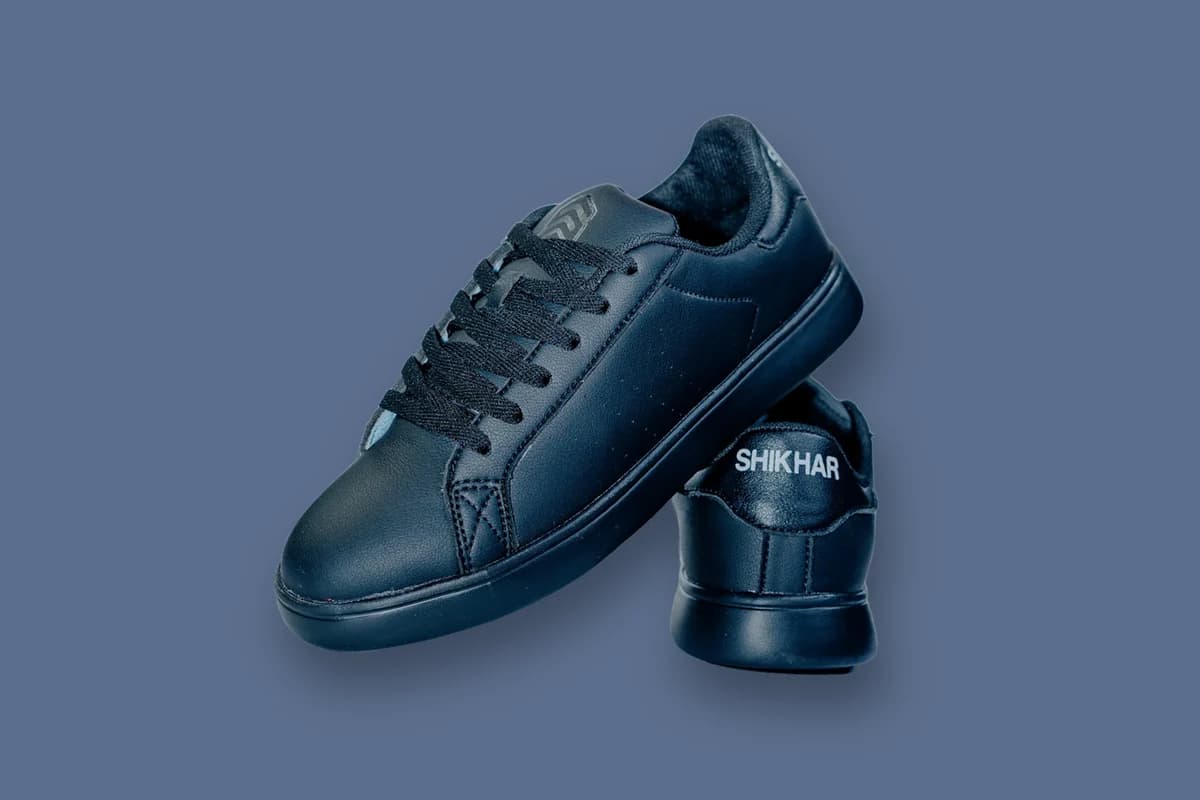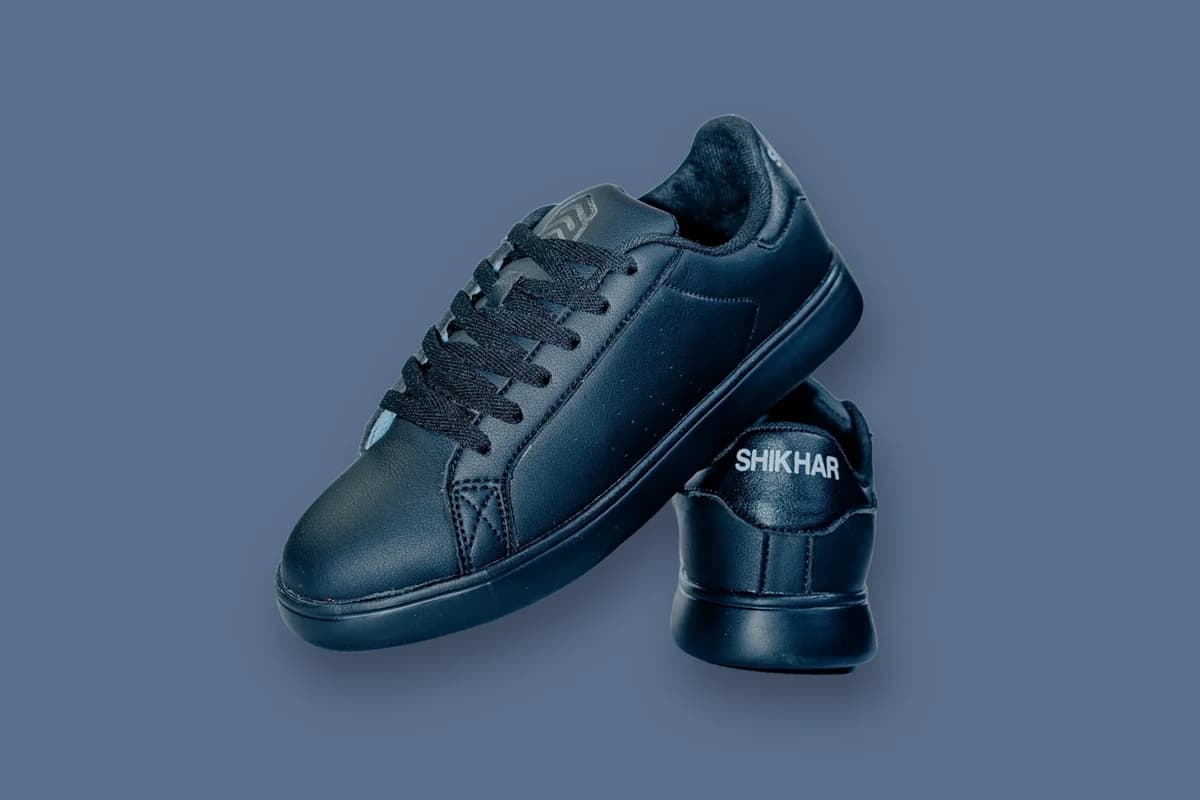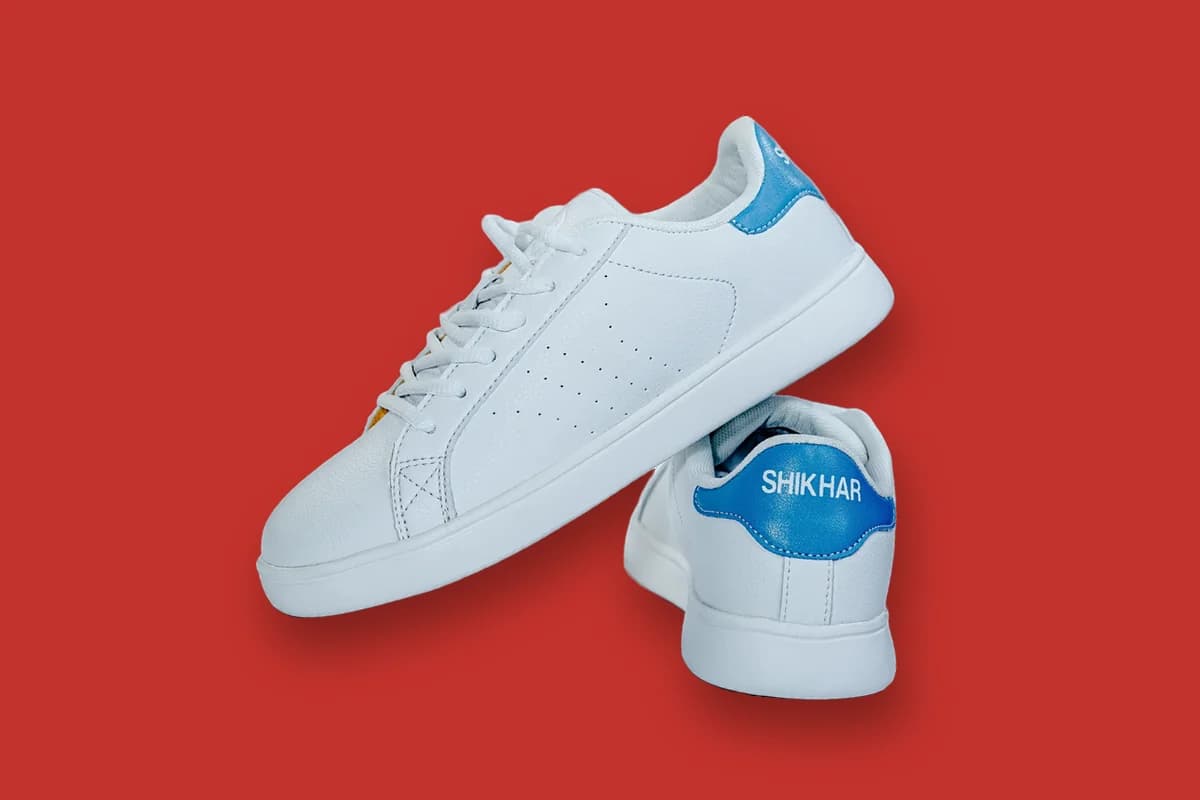
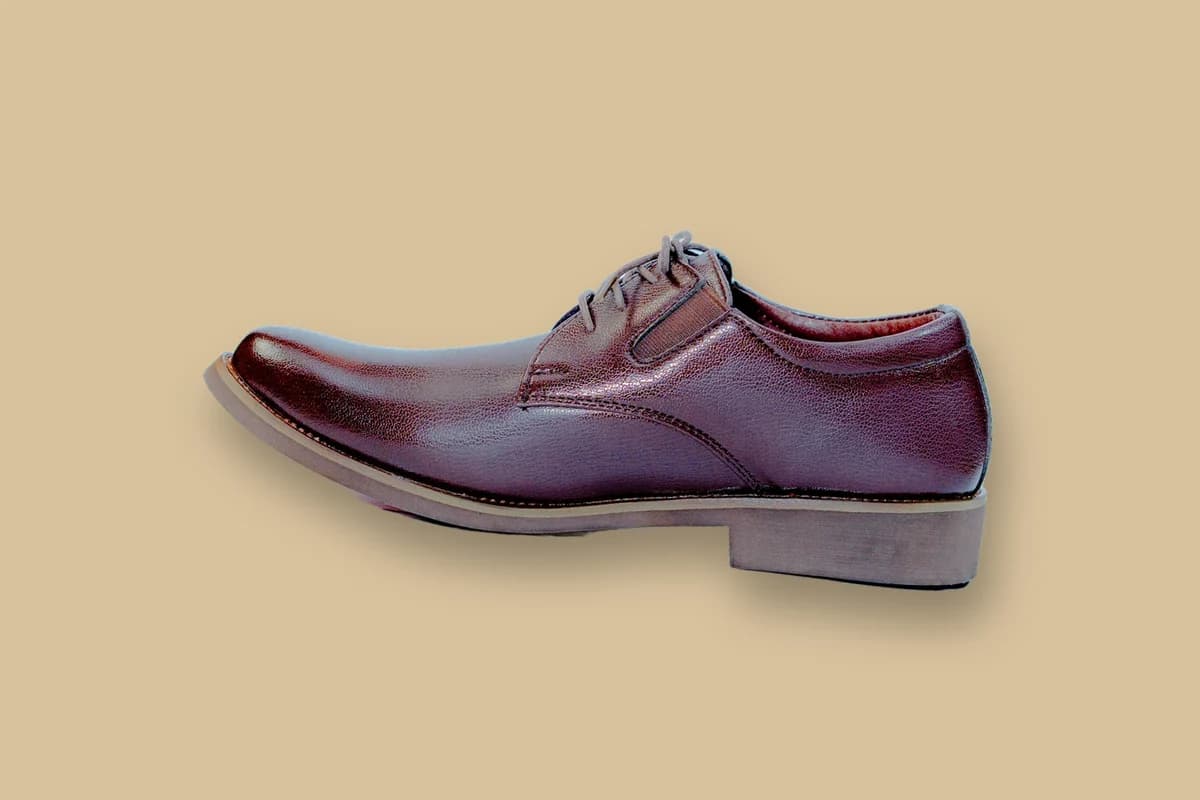
PU leather is a synthetic material made by coating a fabric base with polyurethane, while genuine leather is made from animal hide. PU is lighter, cheaper, easier to clean and handles light rain well. Genuine leather breathes better and moulds to your foot over time, but costs more and needs regular care. Both make good shoes when well made.
Shoppers in Nepal ask this question often, especially when comparing formal and casual shoes at different prices. The answer matters for comfort, budget and how you care for your shoes through dusty winters and wet monsoons. Shikhar Shoes, a Nepali maker since 1995, opened its own polyurethane (PU) synthetic leather plant in 2014, so we work closely with this material every day.
What Is PU Leather?
PU leather, also called polyurethane leather or synthetic leather, is made by applying layers of polyurethane onto a backing fabric. The surface can be given a grain, colour and finish that look like natural leather.
Because it is manufactured, PU can be produced in consistent colours and thicknesses, which helps make shoes that look uniform from pair to pair. Good-quality PU is soft and flexible, while very cheap PU can feel stiff or crack early.
What Is Genuine Leather?
Genuine leather is animal hide, most often cowhide or buffalo hide, that has been tanned so it lasts and does not rot. Each hide is a little different, with natural marks and grain.
Leather has tiny pores, so it lets some air and moisture pass through. Over weeks of wear it softens and takes the shape of your foot, which is why well-made leather shoes often become more comfortable with age.
What Are the Main Differences Between PU and Genuine Leather?
| Feature | PU leather | Genuine leather |
|---|---|---|
| Price | More affordable | Usually more expensive |
| Weight | Lighter | Heavier |
| Breathability | Lower; feet may get warmer | Higher; better for long, warm days |
| Water and stains | Resists light rain and wipes clean easily | Absorbs water unless treated; can stain |
| Break-in | Little or none | Needs some days to soften |
| Care | Wipe with a damp cloth | Clean, condition and polish regularly |
| Ageing | Keeps its look; poor-quality PU may peel or crack | Develops a natural patina; can crack if never conditioned |
Is PU Leather Good Quality?
It depends on how it is made. Well-made PU with a strong backing fabric and a properly bonded surface can last a long time in everyday shoes. Cheap PU with a thin coating is the kind that peels at the creases after a short time.
When you compare PU shoes, check these points:
- Flex test: bend the toe gently. The surface should crease softly, not crack or show white lines.
- Edges and seams: stitching should be even and edges neatly finished.
- Smell and feel: good PU feels supple, not plastic-hard.
- Sole bonding: the sole should be firmly attached all the way around.
How Do I Tell PU From Genuine Leather?
The most reliable way is to read the product description or ask the seller. Simple checks can help too:
- Grain: genuine leather has slightly irregular pores and marks; PU grain often looks very even.
- Edges: cut leather edges look fibrous; PU edges often show a fabric layer underneath.
- Warmth and stretch: leather feels warmer to the touch and wrinkles naturally when pressed.
How Do I Care for PU and Leather Shoes?
The care routine is different for each material, and getting it right adds a lot of life to your shoes.
Caring for PU shoes
- Wipe off dust and mud with a soft, damp cloth.
- Use a little mild soapy water for stains, then wipe dry.
- Skip heavy wax polish; a light shoe cream or a PU-safe cleaner is enough.
- Keep them out of strong sun and away from heaters, which can make the surface crack.
Caring for genuine leather shoes
- Brush off dust after wearing, especially in dry Kathmandu winters.
- Condition every few weeks so the leather does not dry out.
- Polish with matching cream or wax for shine and some water resistance.
- If they get wet in the monsoon, stuff with newspaper and dry slowly at room temperature.
Our shoe cleaning guide covers polishing step by step.
Which Should I Buy: PU or Genuine Leather?
There is no single right answer. Choose based on how you will use the shoes.
- Choose PU if: you want an affordable, light, easy-care shoe for office, school or daily use, or you walk in light rain often.
- Choose genuine leather if: you are on your feet for long, warm days, want a shoe that moulds to your foot, and are happy to polish and condition regularly.
- Either way: fit matters more than material. Use our size guide before you order.
Each product page lists the details of that style, so check the description to see which material a pair uses.
Key Takeaways
- PU leather is a synthetic polyurethane coating on fabric; genuine leather is tanned animal hide.
- PU is lighter, more affordable and easier to clean; leather breathes better and moulds to your foot.
- Quality varies in both, so check the flex, seams, edges and sole bonding.
- Wipe PU with a damp cloth; clean, condition and polish genuine leather.
- Shikhar Shoes has run its own PU synthetic leather plant in Nepal since 2014.
Frequently Asked Questions
Is PU leather waterproof?
PU resists light rain and splashes better than untreated leather, but it is not fully waterproof. Water can still enter through seams and the sole joint in deep puddles.
Does PU leather crack or peel?
Low-quality PU can peel at the creases, and any PU can crack if left in strong sun or near heaters. Good-quality PU, cleaned gently and stored well, holds up for regular daily wear.
Can I polish PU leather shoes?
You can use a light cream polish to refresh the colour, but you do not need heavy wax. Most of the time, a damp cloth is all PU needs.
Is genuine leather always better than PU?
Not always. Poorly made leather shoes can be less comfortable and less durable than well-made PU shoes, so construction and fit matter as much as material.
Does Shikhar Shoes make its own PU material?
Yes. Shikhar opened a polyurethane synthetic leather plant in 2014, alongside its shoe production units in Nepal. You can read more about our story on the About page.
Want to compare for yourself? Browse our formal shoes online, or visit a Shikhar store to see and feel the materials in person.