Hiking shoes are built for rough, uneven ground, with deep rubber lugs, a stiffer sole, a tougher upper and toe protection. Sports shoes are lighter, softer and more flexible, made for running, gym and court games on even surfaces. If you walk trails and hills, choose hiking shoes; for exercise and everyday city wear, sports shoes.
In Nepal, many people own one pair of sneakers and wear it everywhere, from the futsal court to a Saturday climb up Champadevi. That works until the trail gets steep or wet. At Shikhar Shoes, a Nepali maker of both hiking and sports shoes, we see this question often, so here is a clear comparison to help you decide.
What Is the Difference Between Hiking Shoes and Sports Shoes?
The two look similar at a glance, but they are built for different jobs. This table shows the main differences.
| Feature | Hiking shoes | Sports shoes |
|---|---|---|
| Outsole | Deep, widely spaced lugs for dirt, gravel and mud | Shallower pattern for roads, gym floors and courts |
| Midsole | Firmer, protects from sharp stones | Softer and more flexible, focused on cushioning |
| Upper | Tougher materials, often with overlays | Light, breathable mesh or synthetic |
| Toe area | Reinforced against rocks and roots | Usually soft |
| Weight | Slightly heavier | Lighter |
| Best ground | Trails, stone steps, loose rock, hills | Roads, tracks, gym and indoor courts |
| Best for | Day hikes, lower treks, rough village roads | Running, training, futsal, everyday wear |
Why Do Hiking Shoes Have Deeper Lugs?
Lugs are the raised rubber blocks on the bottom of a shoe. On loose gravel, dusty slopes and mud, deep lugs bite into the ground and give you traction, especially going downhill. Wider spacing also helps mud fall out instead of clogging the sole.
Sports shoes have a flatter pattern because they are used on firm, even surfaces. That gives more contact with the ground on roads and courts, but much less grip on a steep forest trail.
Are Sports Shoes More Comfortable Than Hiking Shoes?
On flat ground, often yes. Sports shoes are softer and lighter, so they feel easy on a run or a long day in the city. On a rocky trail, though, a soft sole lets you feel every stone, and a light mesh upper offers little protection. After a few hours on rough ground, a good hiking shoe usually feels more comfortable because it protects and stabilises your foot.
Can I Use Hiking Shoes for Everyday Wear?
Yes. Many people in Nepal wear hiking shoes every day, especially on dusty, broken roads or in hilly towns. They are tough and grippy, and earthy colours such as grey, olive and coffee hide dust well. The trade-off is that they are a little heavier and less springy for running or the gym.
Can I Go Hiking in Sports Shoes?
For a short, easy and dry walk, such as the jeep roads around Nagarkot, sports shoes will usually do. On steeper routes like Shivapuri, Champadevi or Phulchoki, they can slip on stone steps and loose rock. If you must hike in sports shoes:
- Choose a dry day and an easy route.
- Check that the sole is not worn smooth.
- Tie your laces firmly before going downhill.
- Walk slowly on descents and use a stick if you have one.
Our guide to the best hiking shoes in Nepal explains what to look for if you are ready for a dedicated pair.
Which Should I Buy If I Can Only Have One Pair?
Think about where you spend most of your time on your feet:
- Mostly running, gym or futsal, with the odd easy walk: choose sports shoes.
- Mostly city walking on smooth roads: choose sports or casual shoes.
- Regular hikes, rough roads or hilly areas: choose hiking shoes.
- A real mix of everything: start with the shoe for your most demanding activity, then add the second pair later.
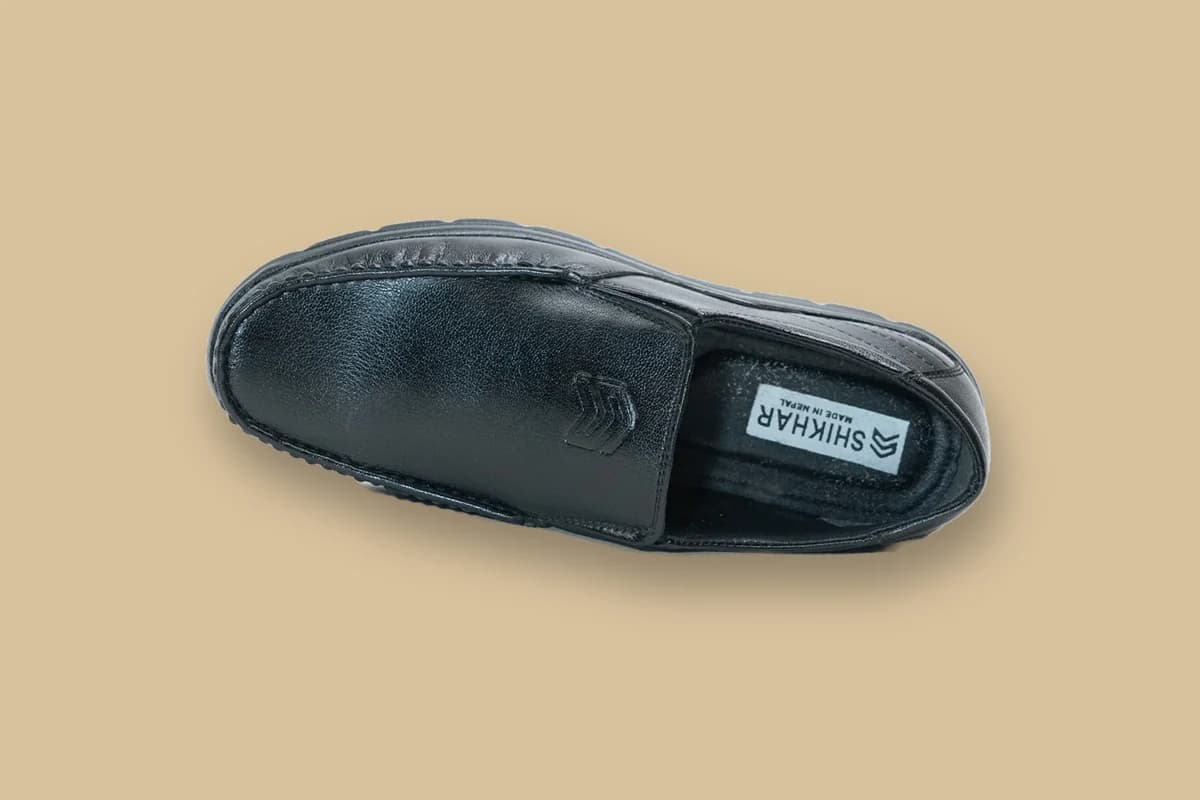
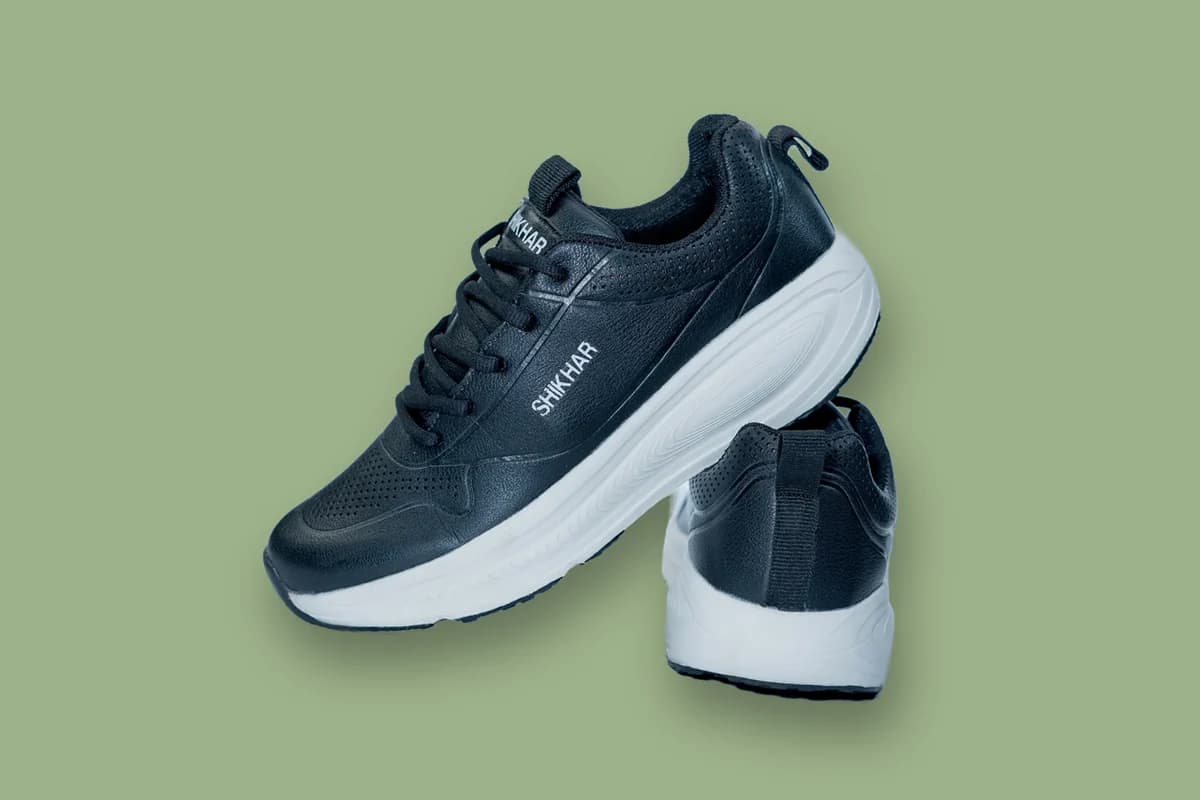
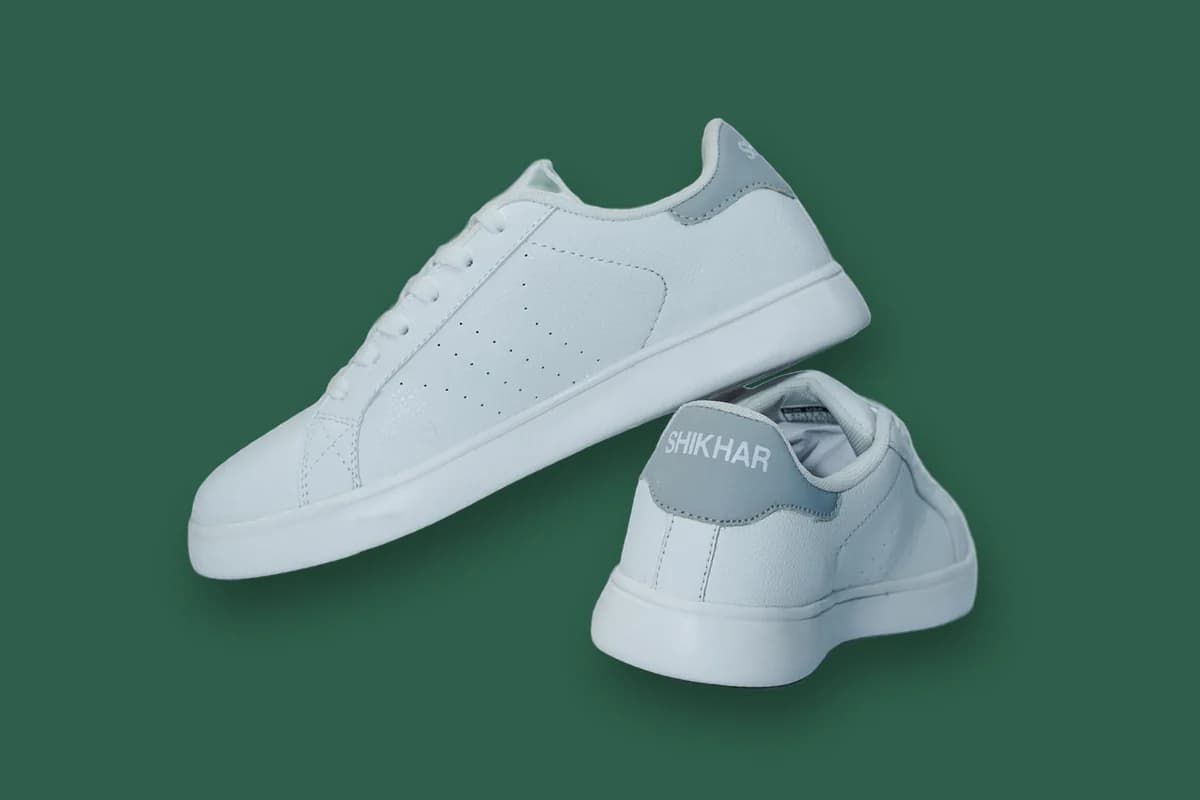
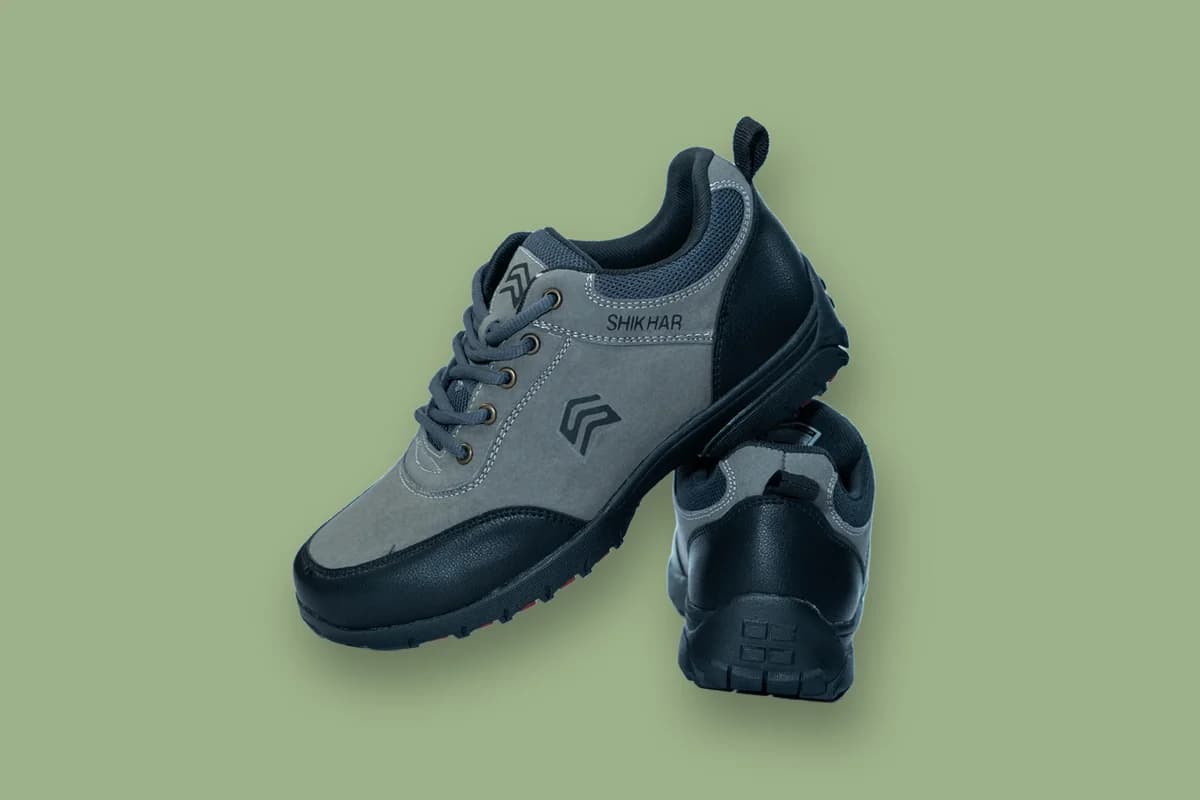
Shikhar makes both. Our hiking shoes, such as the SS149 and SS150, are made for trails and day hikes, while our sports shoes, such as the SS151 and SS153, are made for training and everyday active wear. Neither is a snow or high-altitude boot; for those routes, choose insulated trekking boots.
Do Hiking Shoes and Sports Shoes Fit the Same Way?
Mostly, but leave a little more toe room in hiking shoes, about a thumb's width, because your feet slide forward on long descents. Try both types on in the evening with the socks you will actually wear. Our size guide shows how to measure your feet at home.
Key Takeaways
- Hiking shoes have deeper lugs, firmer soles and tougher uppers for rough ground.
- Sports shoes are lighter and softer, built for running, gym and courts.
- Sports shoes are fine for easy, dry walks but slip on steep or loose trails.
- Hiking shoes work well for everyday wear on dusty, uneven roads.
- If you can only buy one pair, buy for your most demanding activity.
Frequently Asked Questions
Are hiking shoes good for running?
They can handle short, slow runs on trails, but they are heavier and stiffer than running shoes. For regular road running, a proper sports shoe is more comfortable.
Can I wear sports shoes for trekking in Nepal?
On short, easy and dry routes they can work, but they offer less grip and protection on stone steps and loose rock. For regular trekking, hiking shoes are a safer choice, and high-altitude routes need proper boots.
Are hiking shoes heavier than sports shoes?
Usually a little, because they have tougher uppers, firmer soles and deeper lugs. Most people stop noticing the difference after a few walks.
Can I wear hiking shoes to the gym?
For machines and light workouts they are fine, but the stiff sole and lugs are not ideal for jumping, running or quick side-to-side moves. Sports shoes suit the gym better.
Which lasts longer, hiking shoes or sports shoes?
It depends on how you use them. Each lasts longest when used for its intended purpose; hiking shoes worn on trails and sports shoes worn for sport.
Not sure which pair suits you? Compare our hiking shoes and sports shoes online, or visit a Shikhar store to try both on side by side.