To choose sports shoes in Nepal, match the shoe to your main activity. Running shoes need soft cushioning and a light, flexible sole. Gym shoes need a flatter, stable base for lifting and side-to-side moves. Futsal shoes need a flat, non-marking rubber sole for indoor courts. Then check fit: snug heel, room for toes.
Sport is everywhere in Nepal now, from early morning runs around Tundikhel and ring roads to crowded gyms and futsal courts that stay busy late into the evening. Many people buy one pair and use it for everything, which is fine up to a point. As Shikhar Shoes, a Nepali shoe maker with its own factories, we make sports shoes for everyday active life, and this guide will help you pick the right pair.
What Is the Difference Between Running, Gym and Futsal Shoes?
Each sport puts your feet under a different kind of stress. Running is repeated forward impact. Gym work mixes standing still under weight with jumps and lateral moves. Futsal is quick stops, turns and kicks on a hard, smooth floor.
| Feature | Running | Gym | Futsal |
|---|---|---|---|
| Cushioning | Soft, especially at the heel | Moderate | Light to moderate |
| Sole shape | Curved, flexible at the forefoot | Flatter and wider for stability | Flat, low to the ground |
| Outsole | Grippy rubber for roads | Grippy rubber, flat pattern | Non-marking gum or rubber for indoor courts |
| Upper | Light, breathable mesh | Supportive, holds the foot over the base | Snug, with toe reinforcement for kicking |
| Main goal | Absorb impact over distance | Stable base, all-round training | Grip and quick changes of direction |
What Should I Look for in Running Shoes?
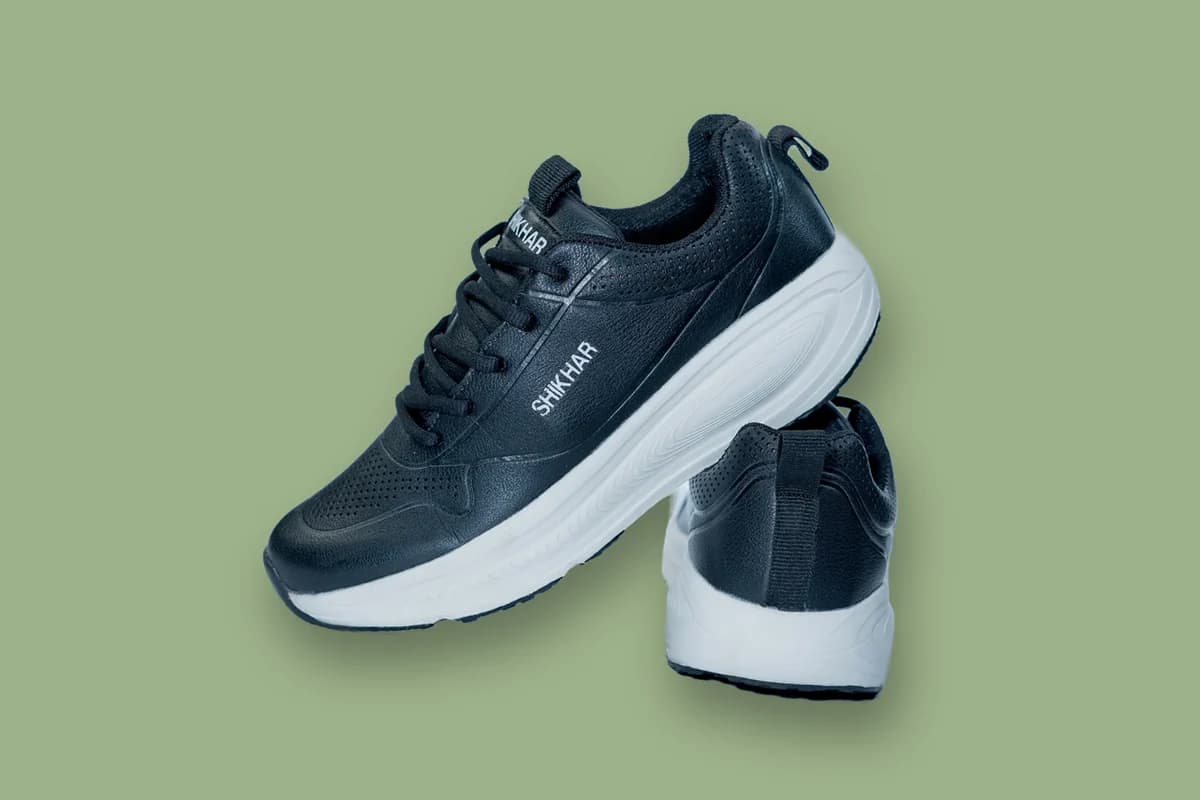
Good running shoes feel light and springy. Look for:
- Cushioning under the heel and forefoot to soften each landing on roads.
- A flexible forefoot that bends where your foot bends.
- Breathable mesh to keep your feet cool on warm mornings.
- A grippy outsole, because Nepali roads and footpaths are rarely smooth.
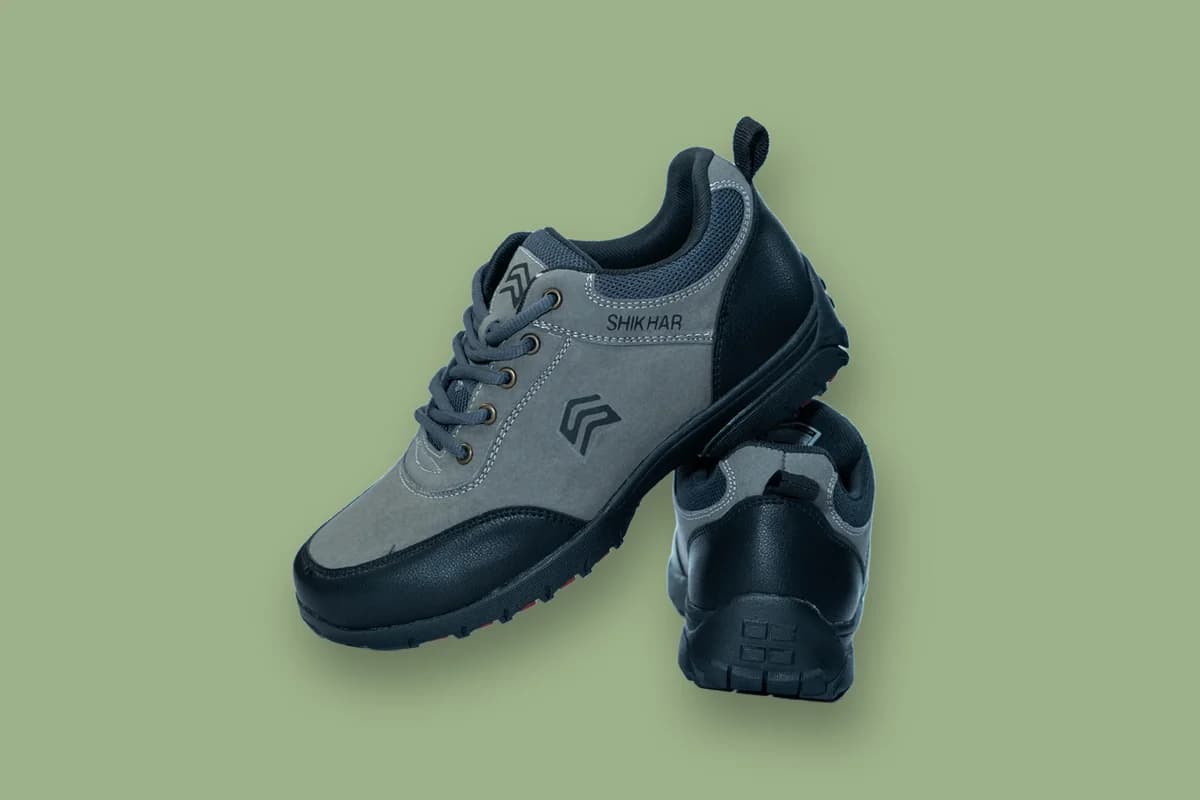
If you run on trails or hills such as Shivapuri or Nagarkot, you need deeper lugs than a road shoe offers. In that case, look at hiking shoes or a shoe with a more aggressive sole.
What Are the Best Shoes for the Gym?
For the gym, stability matters more than softness. A very soft, high running shoe can feel wobbly under a barbell. Choose a sports shoe with a flatter, wider sole and an upper that holds your foot firmly. This works well for weight training, machines, circuit classes and short treadmill sessions. If you mostly do long treadmill runs, a running shoe makes more sense.
What Shoes Should I Wear for Futsal?
Most futsal courts in Nepal are indoor courts or artificial turf. For indoor courts, wear flat-soled shoes with a non-marking rubber outsole. They grip the floor for quick turns and do not leave black marks.
- Do not wear football boots with studs on indoor courts; they slip and can damage the floor.
- Check the court's rules before you play, as some venues have their own shoe requirements.
- Look for toe reinforcement, because futsal involves a lot of toe and instep contact with the ball.
Can One Pair of Sports Shoes Do Everything?
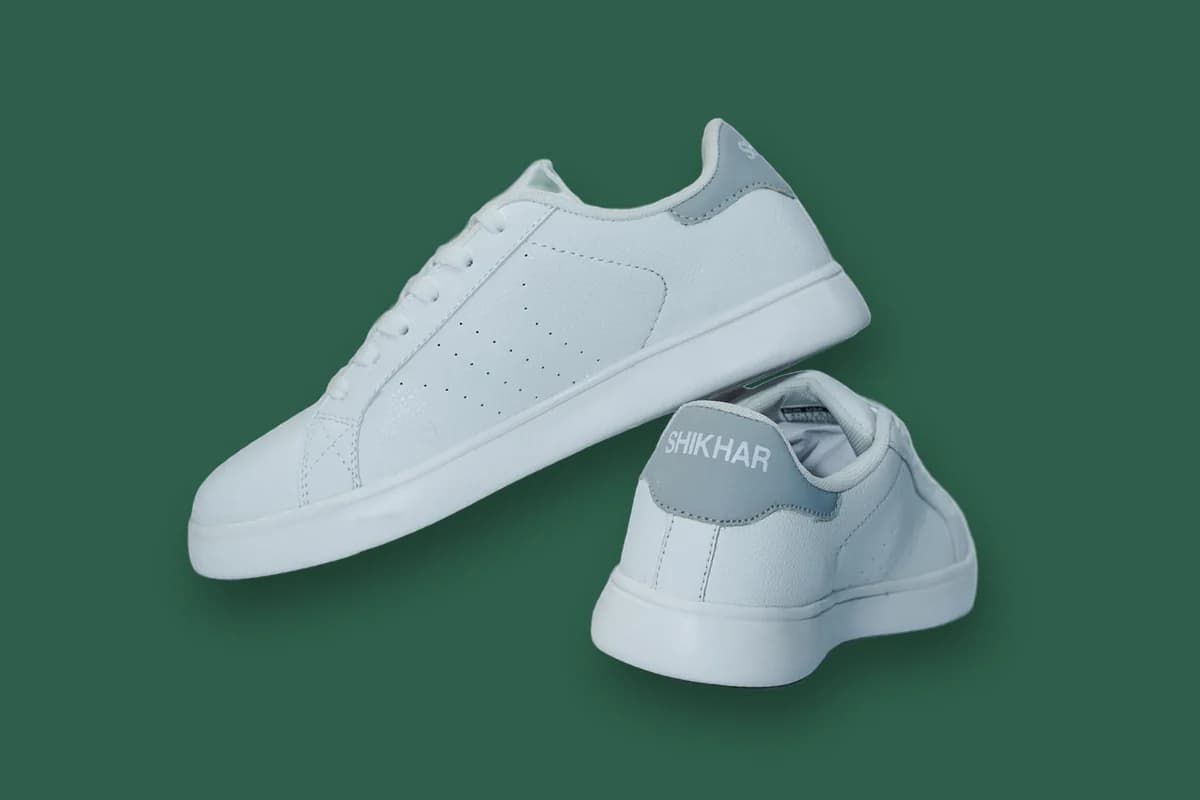
If you play casually a couple of times a week, a good all-round sports shoe can handle light running, gym sessions and walking. Shikhar's sports shoes, such as the SS151 and SS153, are designed as versatile everyday trainers.
Once you train seriously in one sport, for example running several times a week or playing futsal in a league, a pair made for that sport will be more comfortable and last longer. Using shoes for the wrong surface also wears out the sole faster.
How Do I Get the Right Fit for Sports Shoes?
- Measure both feet in the evening and buy for the larger foot. Our size guide explains how.
- Wear your sports socks when you try shoes on.
- Leave about a thumb's width in front of your longest toe for running; futsal shoes can fit a little closer.
- Check the heel for slipping when you jog or jump in place.
- Move side to side. Your foot should not slide over the edge of the sole.
Shikhar sports shoes come in EU sizes, with most styles in EU 39 to 44. If you feel pain in your feet, shins or knees that does not go away with rest, see a doctor before you keep training.
How Do I Make Sports Shoes Last Longer?
Use them only for sport and wear different shoes for everyday errands. Loosen the laces fully when taking them off instead of stepping on the heel. Air them out after every session and let them dry away from direct sun or heaters. In the monsoon, rotate two pairs if you can, so each one dries properly.
Key Takeaways
- Pick sports shoes for your main activity: running, gym or futsal.
- Running shoes need cushioning; gym shoes need a stable, flatter base.
- Futsal on indoor courts calls for flat, non-marking soles, never studs.
- One all-round sports shoe is fine for casual, mixed exercise.
- Fit with your sports socks, leave toe room, and check the heel does not slip.
Frequently Asked Questions
Can I use running shoes for the gym?
For cardio and light workouts, yes. For heavy lifting, a flatter, more stable sports shoe gives a better base than a soft, high running shoe.
Can I play futsal in normal sneakers?
You can in a casual game if the sole is flat, grippy and non-marking. Smooth fashion soles slip on the court, so a proper sports shoe is safer.
How often should I replace running shoes?
Replace them when the cushioning feels flat, the sole is worn smooth, or your legs start feeling more tired than usual after runs. How fast this happens depends on how far and how often you run.
What size sports shoes should I buy?
Buy the size that fits your larger foot with about a thumb's width of toe room. Most Shikhar sports styles are available in EU 39 to 44.
Can I buy Shikhar sports shoes online in Nepal?
Yes. You can order on our website with cash on delivery across Nepal, or pay by bank transfer and upload the payment proof at checkout.
Ready to train? Browse our sports shoes online, or try a few pairs on at one of our stores in Kathmandu, Biratnagar, Chitwan, Hetauda and Damauli.