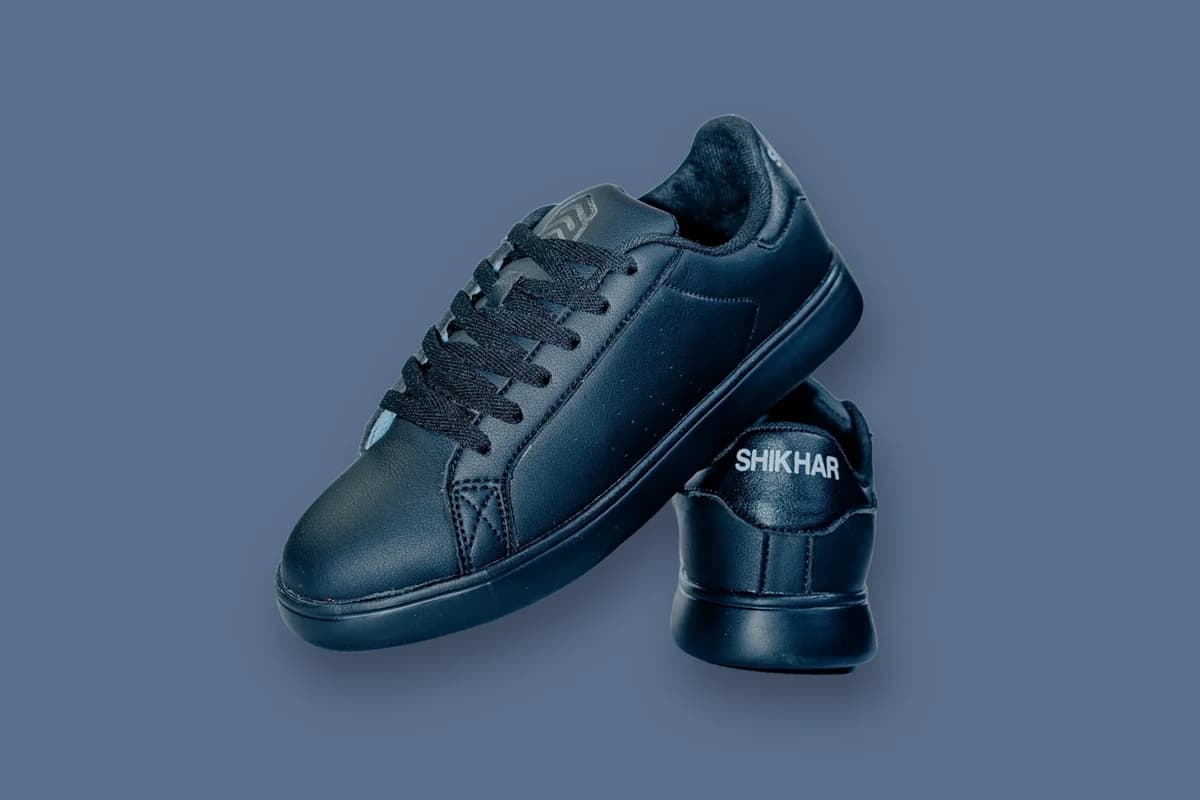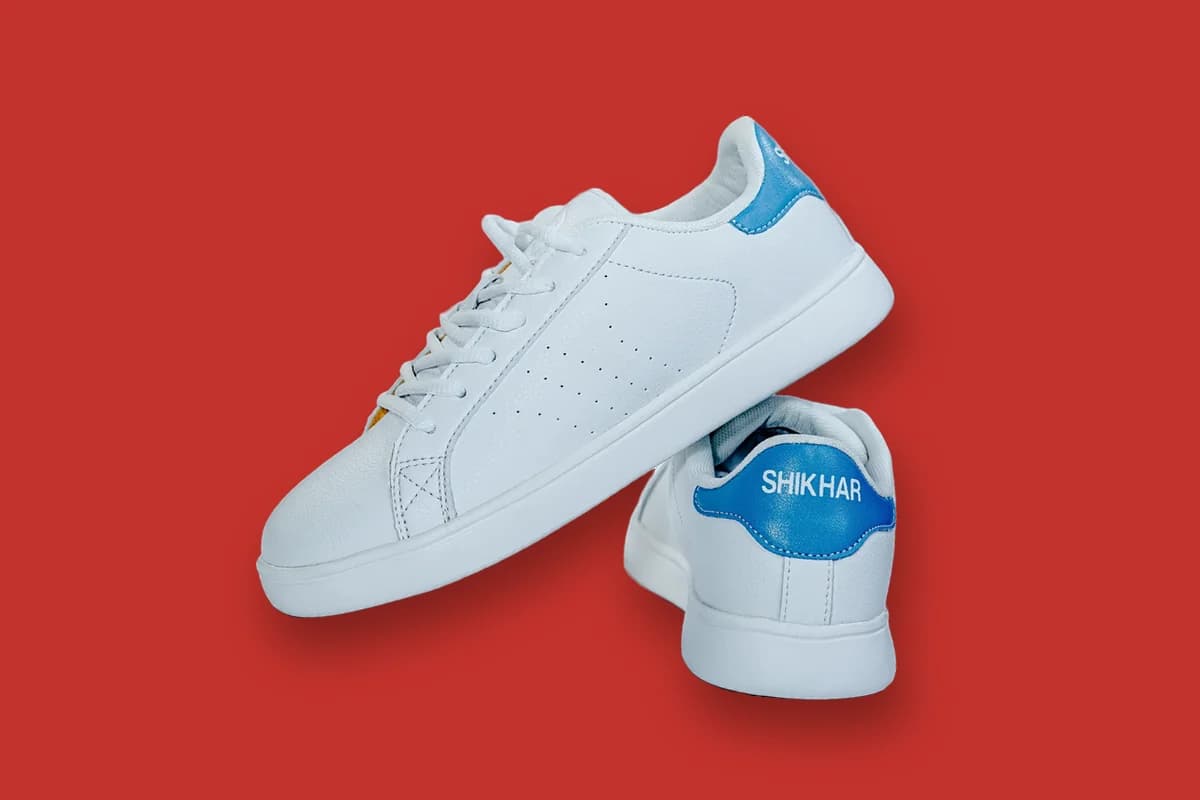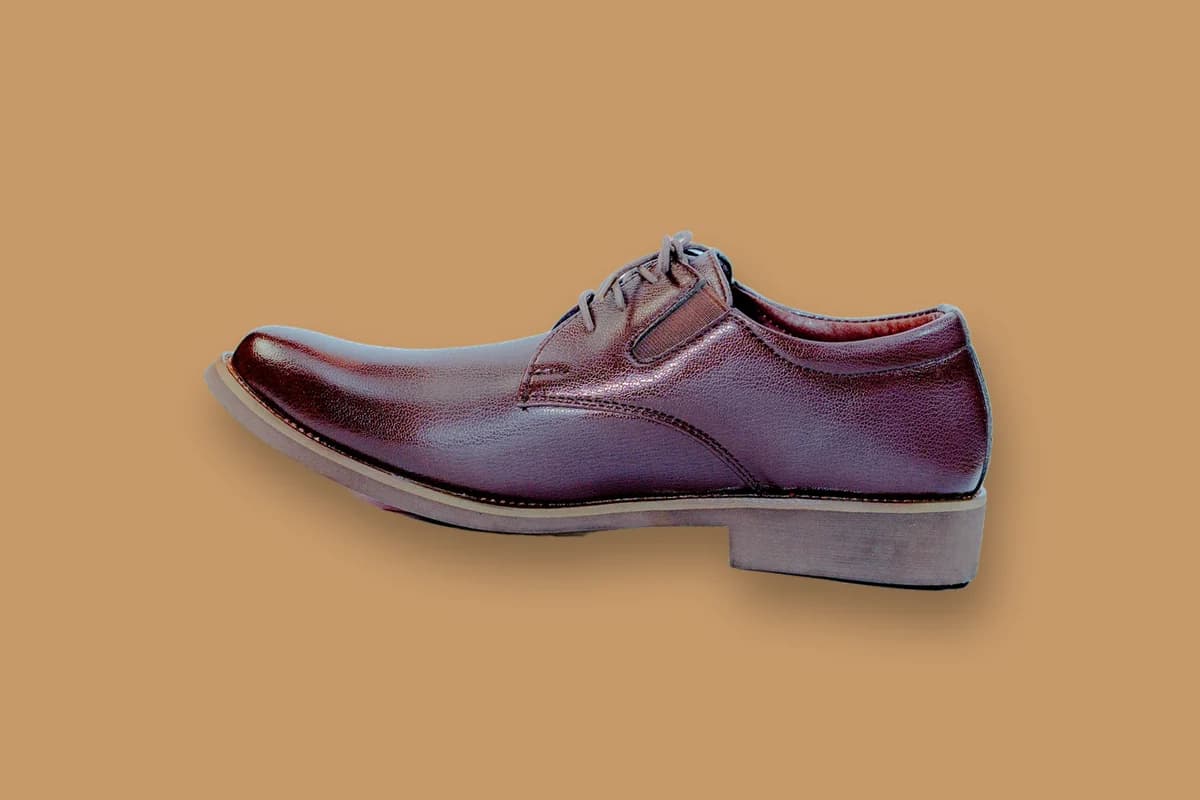
To find your shoe size, stand on a sheet of paper, mark your heel and the tip of your longest toe, and measure the distance in centimetres. Do this for both feet, take the longer measurement, and match it to an EU size chart. If you fall between two sizes, choose the larger one.
In Nepal, many of us buy shoes by habit, asking for the same number we wore years ago. But feet change with age, weight and even the season, and sizes can differ between brands and styles. At Shikhar Shoes, a Nepali shoe maker in Kathmandu, our shoes use EU sizes, so it helps to know your EU size properly, especially if you plan to order shoes online.
How Do I Measure My Feet at Home?
You only need a sheet of A4 paper, a pencil, a ruler or measuring tape, and the socks you usually wear. It takes about five minutes.
- Put on the socks you normally wear with the type of shoe you are buying.
- Place the paper flat on a hard floor, with one short edge against a wall.
- Stand on the paper with your heel touching the wall and your weight on that foot.
- Ask someone to mark the tip of your longest toe with the pencil held straight up. For many people this is the big toe, but for some it is the second toe.
- Measure from the edge of the paper (the wall) to the mark in centimetres.
- Repeat for the other foot. Most people have one foot slightly longer than the other.
Use the longer of the two measurements. It is also worth tracing around your foot to check the width at the widest part, near the base of the toes.
What Is My EU Shoe Size for My Foot Length?
Once you have your foot length, compare it with the table below. These are approximate values: different makers use slightly different charts, so always check the Shikhar size guide for our own shoes.
| EU size | Approx. foot length (cm) | Approx. UK size |
|---|---|---|
| 39 | 24.5 to 25.0 | 6 |
| 40 | 25.1 to 25.7 | 6.5 |
| 41 | 25.8 to 26.4 | 7 |
| 42 | 26.5 to 27.0 | 8 |
| 43 | 27.1 to 27.7 | 9 |
| 44 | 27.8 to 28.4 | 9.5 |
Most Shikhar styles come in EU 39 to 44. If your measurement sits right at the top of a range, the next size up is usually more comfortable, because your feet need a little room to move.
When Is the Best Time to Measure My Feet?
Measure in the late afternoon or evening. Feet tend to swell a little during the day, especially after a lot of walking or standing, and a shoe that fits in the morning can feel tight by evening.
Season matters too. In winter you may wear thicker socks, and in the hot, humid monsoon months feet can swell more. If you are buying shoes for a specific season, measure while wearing that season's socks.
How Should a Shoe Fit When I Try It On?
A size chart gets you close, but the fit test is what matters. When you put the shoes on, check these points:
- Toe room: there should be roughly a thumb's width (about 1 cm) between your longest toe and the front of the shoe.
- Width: the shoe should not squeeze the sides of your foot or press on your little toe.
- Heel: your heel should stay in place when you walk, without lifting out or rubbing.
- Toes: you should be able to wiggle them freely.
- Walking: take a few steps, and if possible climb a stair. Nothing should pinch or slip.
What If I Am Between Two Sizes?
Being between sizes is very common. In most cases, go for the larger size, because a slightly roomy shoe can be adjusted with laces or a thicker sock, while a tight shoe rarely becomes comfortable.
The type of shoe also matters. For hiking shoes, extra toe room helps on downhill walks. For formal shoes, which are often worn with thin socks, a closer fit may feel neater. If you are unsure, our team can help when you call or visit a Shikhar store.
Do Shoe Sizes Change as I Get Older?
Yes, they can. Many adults find their feet become slightly longer or wider over the years, and feet can also change after pregnancy or with changes in weight. That is why it is a good idea to measure again every year or two instead of relying on an old number.
For children and teenagers, feet grow quickly, so measure before every new pair, such as before the new school year or before Dashain shopping.
Key Takeaways
- Measure your feet in centimetres, heel to longest toe, while standing.
- Measure both feet in the evening and use the longer measurement.
- Match your length to an EU size chart and check the brand's own size guide.
- Leave about 1 cm of space in front of your longest toe.
- If you are between sizes, the larger size is usually the safer choice.
Frequently Asked Questions
What size is EU 42 in centimetres?
EU 42 usually fits a foot length of roughly 26.5 to 27 cm, but charts vary a little between makers. Check the size guide for the specific brand before you buy.
Is EU size the same as Indian or UK size?
No, they use different numbers. As a rough guide, EU 42 is close to UK 8, but conversions are approximate, so measuring your foot in centimetres is more reliable than converting numbers.
Should I measure my feet with socks on?
Yes, wear the socks you plan to use with the shoes. Thick winter or hiking socks can change the fit by up to half a size.
Why does one of my feet feel tighter than the other?
Most people have one foot slightly larger than the other, which is normal. Always choose the size that fits your larger foot comfortably.
Can I measure my child's feet the same way?
Yes, the paper and wall method works well for children. Make sure they stand with their weight on the foot and measure again every few months, as young feet grow fast.
Now that you know your EU size, browse our casual shoes or visit the size guide to find a comfortable Shikhar pair that fits right from the first day.
Buying for a child? See how to measure growing feet for kids.