To break in new shoes without blisters, wear them at home for 30 to 60 minutes at a time, then slowly increase the time over one to two weeks. Wear well-fitting socks, loosen or adjust the laces, and cover any spot that starts to rub before it turns into a blister.
In Nepal, new shoes often arrive just before a big day: Dashain, Tihar, a wedding, a job interview or the first day of college. Wearing a stiff new pair straight to a long event is how many blisters start. At Shikhar Shoes, a Nepali maker that has been making shoes since 1995, we always suggest giving new shoes a little time. Here is how.
Why Do New Shoes Cause Blisters?
Blisters usually come from friction: the shoe rubs against the same spot of skin again and again. New shoes are more likely to do this because the upper is still stiff and has not yet shaped itself to your foot.
Other common causes include:
- Shoes that are too tight, too loose or the wrong shape for your foot.
- A heel that slips up and down as you walk.
- Damp feet from sweat or rain, which makes skin softer and easier to rub.
- Thin, wrinkled or cotton socks that bunch up inside the shoe.
How Do I Break In New Shoes Step by Step?
The idea is simple: let the shoes and your feet get used to each other gradually.
- Start indoors. Wear the shoes around the house for 30 to 60 minutes on the first day. Walk on stairs and stand for a while.
- Increase slowly. Add a little more time each day, such as an hour, then two hours.
- Go on short outings. Once they feel fine at home, wear them on short errands, like a trip to the local shop.
- Try a half day. When short outings are comfortable, wear them for a morning at work or college.
- Then the big day. Only wear them for a full day, a long event or a hike once they feel comfortable for several hours.
Wearing them indoors first also keeps them clean while you find out whether the fit is right for you.
How Long Does It Take to Break In Shoes?
It depends on the material and the type of shoe. The table below gives a rough idea.
| Shoe type | Typical break-in | Tip |
|---|---|---|
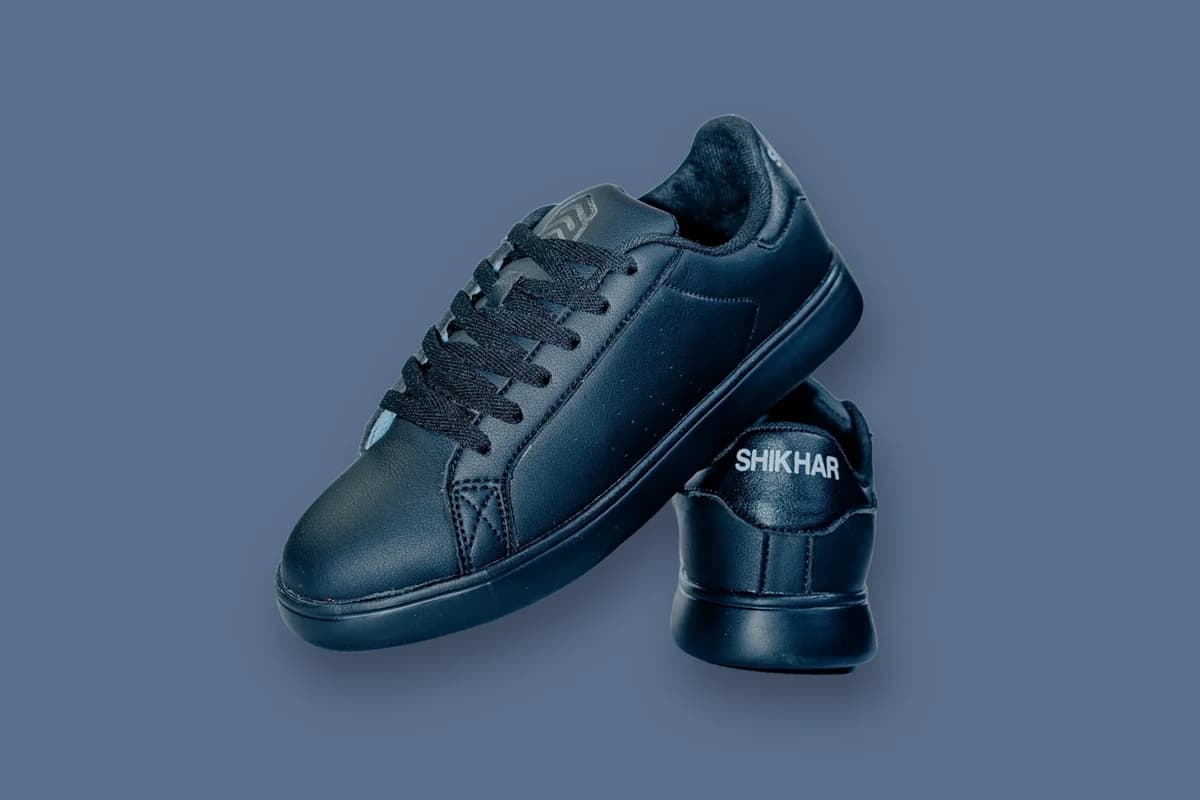
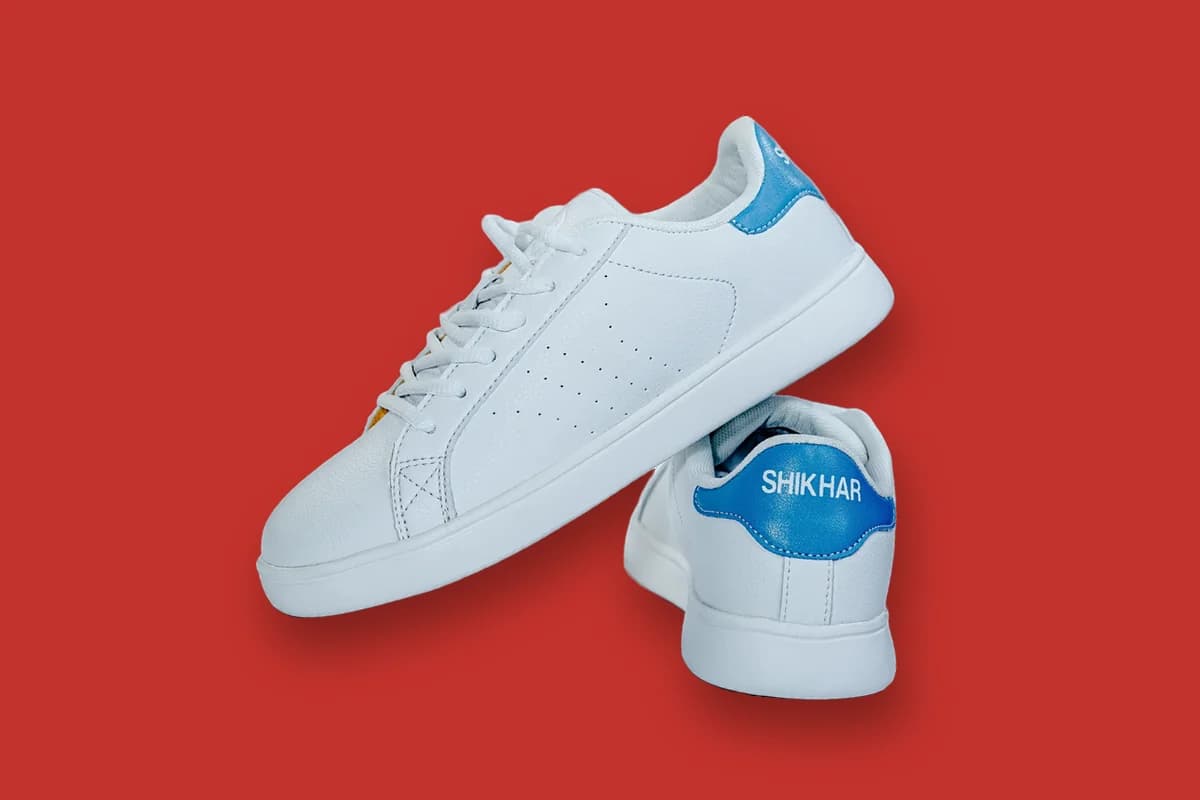
| Sports and casual sneakers | A few days | Adjust laces so the heel does not slip |
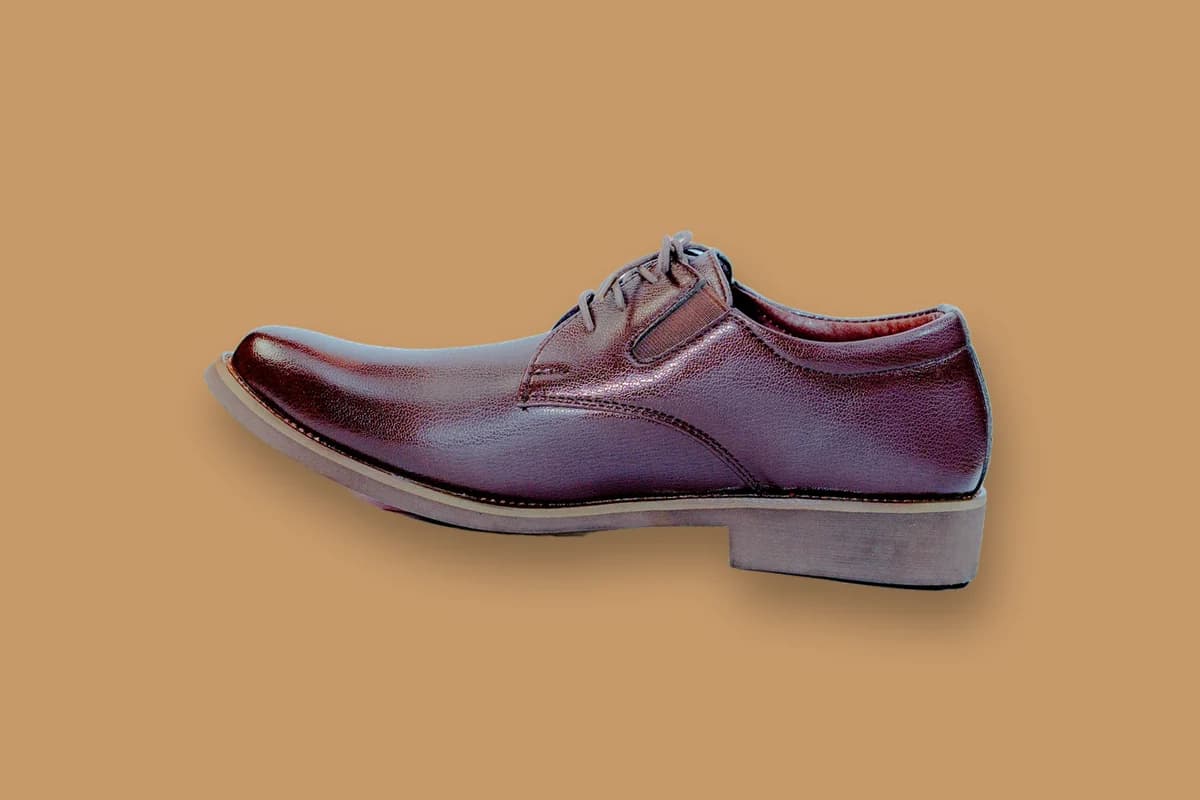
| Synthetic (PU) formal shoes | About a week | Wear with the socks you will use at work |
| Leather formal shoes and boots | One to two weeks | Short wears often; leather softens with use |
| Hiking shoes | One to two weeks | Finish with a short local walk before a long trail |
If a shoe still hurts badly after two weeks of gradual wear, the size or shape is probably wrong, and breaking in will not fix it.
What Socks Help Prevent Blisters?
Socks matter almost as much as the shoe. Choose socks that fit without wrinkles and are not too thin. For long days or walking, socks with some cushioning at the heel and toes help.
Cotton socks are fine for short wears, but they hold sweat. On long days, or during the humid monsoon, carry a spare pair and change into dry socks if your feet get damp. For colder months, our guide to winter foot care in Nepal has more sock tips.
What Should I Do When a Shoe Starts Rubbing?
Act early. The moment you feel a warm or sore spot (a hot spot), stop and deal with it.
- Re-tie your laces. Firmer lacing over the top of the foot often stops heel slip.
- Cover the spot with a plaster or medical tape before a blister forms.
- Change into dry socks if your feet are damp.
- Take the shoes off for the rest of the day if the rubbing continues.
If you already have a blister, keep it clean and covered, and avoid wearing the same shoes until it heals. See a doctor if a blister looks infected, or if you have diabetes or poor circulation, as foot wounds need extra care.
Is It OK to Wear New Formal Shoes to a Wedding Straight Away?
It is better not to. Weddings and festival gatherings in Nepal can mean many hours of standing, walking and dancing. Try to buy formal shoes at least a week or two before the event, and follow the steps above.
If you have no time, wear them for a few hours at home the day before, carry plasters, and keep a comfortable pair nearby to change into later in the evening.
Key Takeaways
- Break in new shoes gradually, starting with short wears at home.
- Allow one to two weeks for leather and formal shoes before a long event.
- Wear well-fitting, wrinkle-free socks and keep your feet dry.
- Treat hot spots early with tape or a plaster and adjust your laces.
- If shoes still hurt after two weeks, the fit is likely wrong.
Frequently Asked Questions
How can I break in shoes faster?
Wear them for short sessions several times a day rather than one long session. Moving around, climbing stairs and flexing your feet helps the upper soften more quickly.
Do all new shoes need breaking in?
Soft sneakers often feel comfortable almost straight away, while leather shoes, formal shoes and boots usually need more time. Even comfortable new shoes are best tested on shorter days first.
Should new shoes feel tight?
New shoes can feel firm, but they should not pinch, squeeze your toes or crush the sides of your feet. Breaking in softens the material a little; it does not make a shoe that is too small fit properly.
Can I wear new shoes in the rain?
It is better to avoid it while breaking them in. Wet socks and damp skin rub more easily, and soaking can affect the shape of new leather shoes.
What is the best way to stop heel blisters?
Make sure your heel does not slip by lacing the shoes firmly and choosing the right size. Covering the back of your heel with tape for the first few wears also helps.
Looking for a comfortable new pair to break in before the next big occasion? Browse our formal shoes, or try a pair in person at your nearest Shikhar store.
On your feet all day? Read the best shoes for standing all day.