The best shoes for standing all day have a cushioned, shock-absorbing sole, a firm heel that holds your foot steady, a roomy toe box and a secure lace-up or well-fitted closure. They should fit with a little space at the toes, have grip on smooth floors, and feel comfortable at the end of the day, not just in the shop.
In Nepal, many jobs mean being on your feet for eight hours or more: teachers in classrooms, shopkeepers behind the counter, nurses on hospital wards and security guards at gates and banks. At Shikhar Shoes, a Nepali maker with its own factories, we hear from people in all of these jobs. This guide explains what to look for so your shoes help you through a long shift.
What Makes a Shoe Good for Standing All Day?
Standing still can be just as tiring as walking, because the same parts of your feet carry your weight for hours. A good shoe spreads that load and keeps your foot stable. Check for:
- Cushioning: a midsole that softens the impact of hard floors such as tiles, concrete and marble.
- Support: a firm heel counter (the back of the shoe) that does not collapse when you press it.
- Toe room: space for your toes to spread, especially as feet swell later in the day.
- Grip: a rubber outsole that does not slip on polished or wet floors.
- Secure fit: laces or a snug design so your foot does not slide around inside.
- Breathability: materials and linings that let some air in, so feet do not stay sweaty all day.
Which Shoes Are Best for Different Jobs?
Every job has its own floor, dress code and movement. The table below is a simple starting point.
| Job | Typical day | Good shoe type |
|---|---|---|
| Teachers | Standing in class, walking between rooms, school assemblies | Cushioned formal shoes or neat casual lace-ups |
| Shopkeepers and sales staff | Long hours behind a counter, short walks to stock | Comfortable casual shoes or sneakers |
| Nurses and hospital staff | Constant walking on smooth floors, quick movement | Light, cushioned sports shoes with good grip, as allowed by uniform rules |
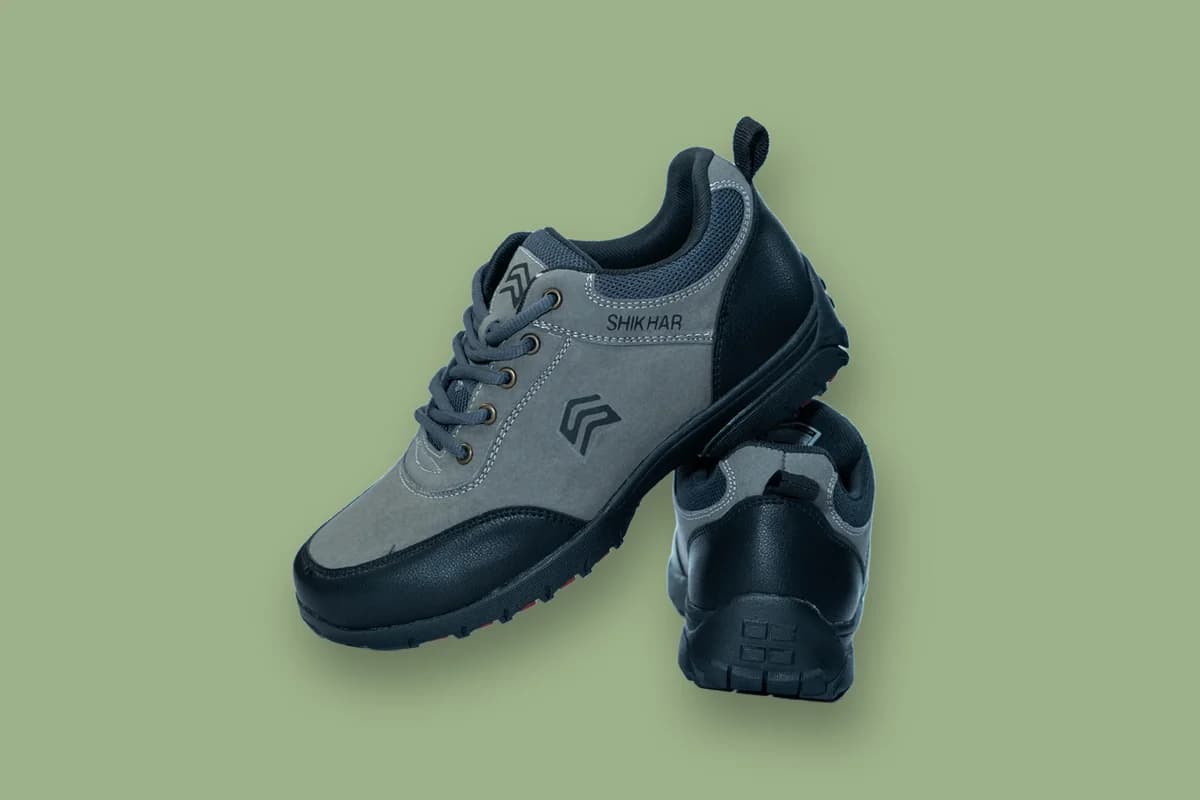
| Security guards | Standing at a post, outdoor weather, some patrols | Sturdy lace-ups or boots with a grippy sole |
| Factory and warehouse workers | Standing, lifting, hard concrete floors | Sturdy shoes with a thick sole; safety footwear if the workplace requires it |
Always follow your employer's uniform and safety rules first. Within those rules, choose the most comfortable pair that fits well.
Are Sports Shoes Better Than Formal Shoes for Standing?
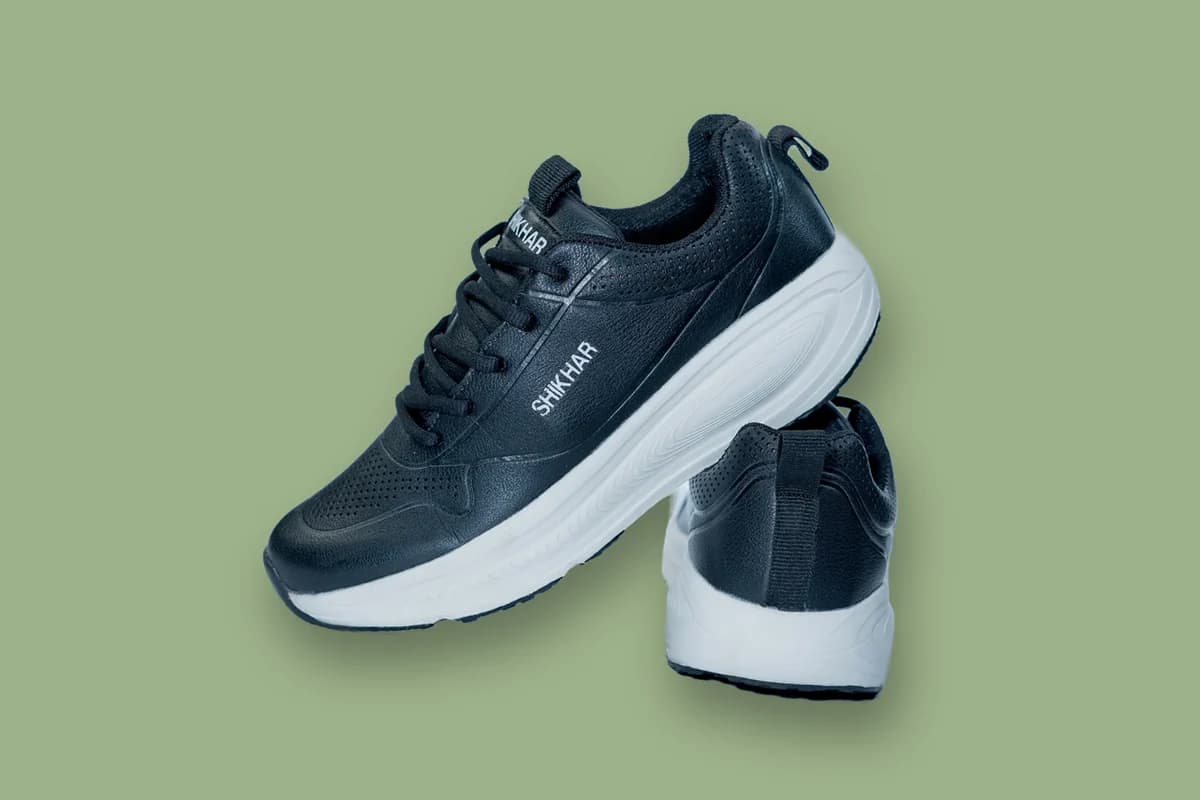
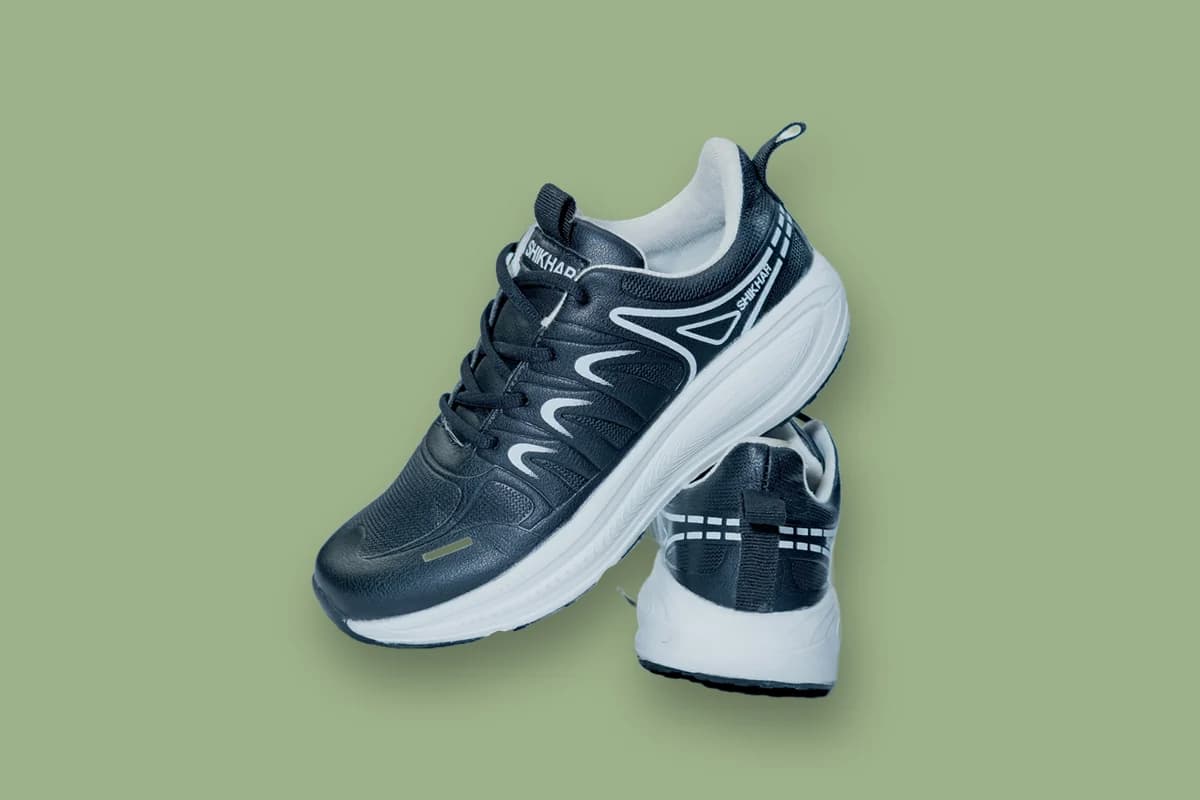
For pure comfort, many people find sports shoes easier on their feet because they are usually lighter and more cushioned. That is why nurses and shop staff often prefer them when their workplace allows it.
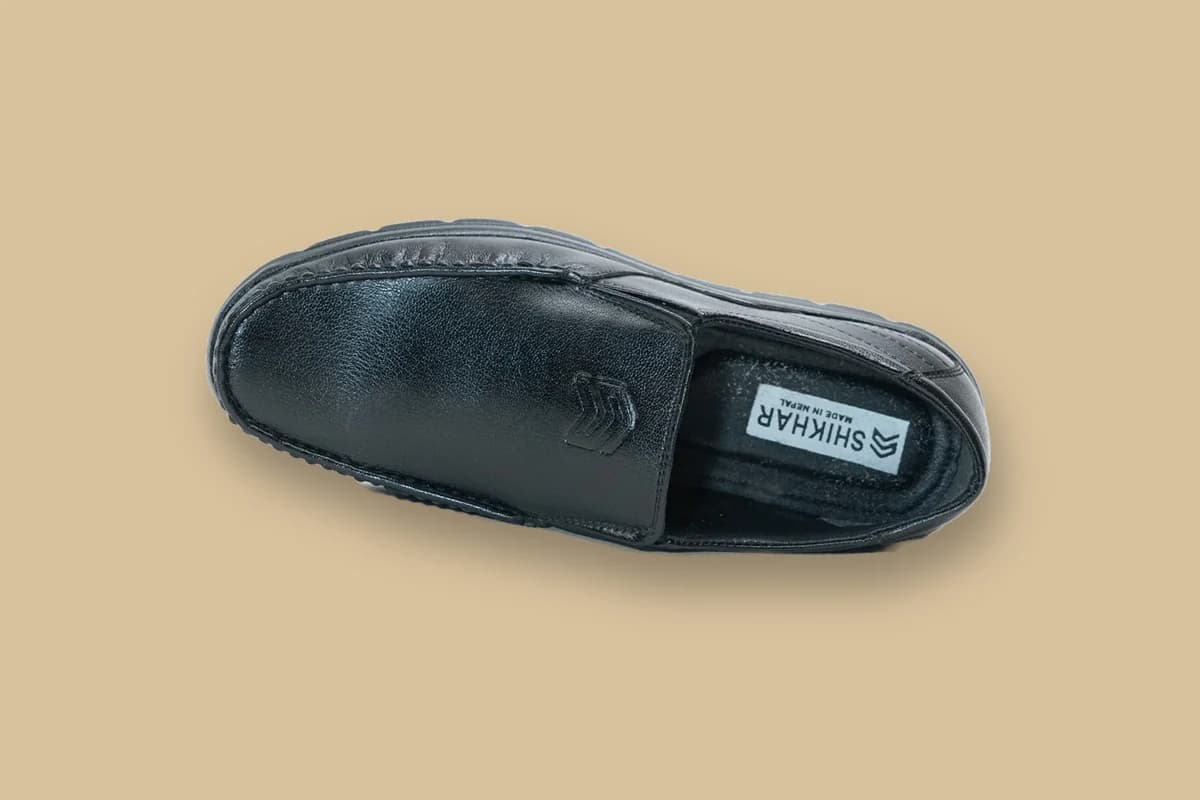
If your job needs a smarter look, such as teaching or office reception work, choose formal shoes with a slightly thicker sole, a padded inside and a lace-up design. A thin, flat, slippery sole is the main thing to avoid.
How Should Work Shoes Fit?
Fit is especially important when you will wear shoes for many hours. Try shoes on in the afternoon, when your feet are a little larger, and wear the socks you use at work.
- Leave about a thumb's width of space in front of your longest toe.
- Make sure the widest part of your foot is not squeezed.
- Stand still for a few minutes in the shop, not just walk, to see how it feels.
Not sure of your size? Our size guide explains how to measure your feet at home.
How Can I Reduce Foot Pain From Standing All Day?
Good shoes help, but small habits during the day make a difference too.
- Shift your weight from foot to foot and move around when you can.
- Stretch your calves and roll your ankles during breaks.
- Rotate between two pairs of work shoes so each pair can dry out and keep its cushioning longer.
- Change into dry socks if your feet get sweaty, especially in the monsoon.
- Rest with your feet raised for a while after work.
If pain in your feet, heels, knees or back continues even with good shoes, see a doctor or a physiotherapist for advice.
When Should I Replace My Work Shoes?
Work shoes wear out faster than shoes you wear only now and then. Look for signs such as a worn-down outsole, a heel that leans to one side, cushioning that feels flat, or a heel counter that has gone soft. When your feet start aching earlier in the day than they used to, your shoes may be the reason.
Key Takeaways
- Look for cushioning, a firm heel, toe room and a grippy rubber sole.
- Choose shoe type by your job, floor and dress code.
- Sports shoes are often most comfortable; choose padded, lace-up formal shoes if you need a smart look.
- Try shoes on later in the day and stand in them for a few minutes.
- Rotate pairs and replace shoes when the sole or cushioning wears out.
Frequently Asked Questions
What type of shoe is best for standing on concrete all day?
Choose a shoe with a thick, cushioned midsole and a rubber outsole, such as a well-made sports shoe or sturdy lace-up. Thin, flat soles pass more of the hard floor's impact to your feet.
Are slip-on shoes good for standing all day?
They can be, if they fit snugly and have a cushioned sole. However, lace-up shoes usually hold the foot more securely, which many people find more comfortable over a long shift.
Can teachers wear sneakers to school?
That depends on the school's dress code. Where sneakers are not allowed, a cushioned formal lace-up is a good alternative.
How many pairs of work shoes should I have?
Two pairs that you rotate is a good idea if you can manage it. This gives each pair time to air out and helps both last longer.
Should work shoes be a size bigger?
Not a full size bigger, but they should have enough room for your feet to swell slightly during the day. Measure your feet in the evening and choose the size that fits comfortably then.
Ready for a more comfortable working day? Explore our sports shoes and casual shoes, or try pairs on at a Shikhar store near you.