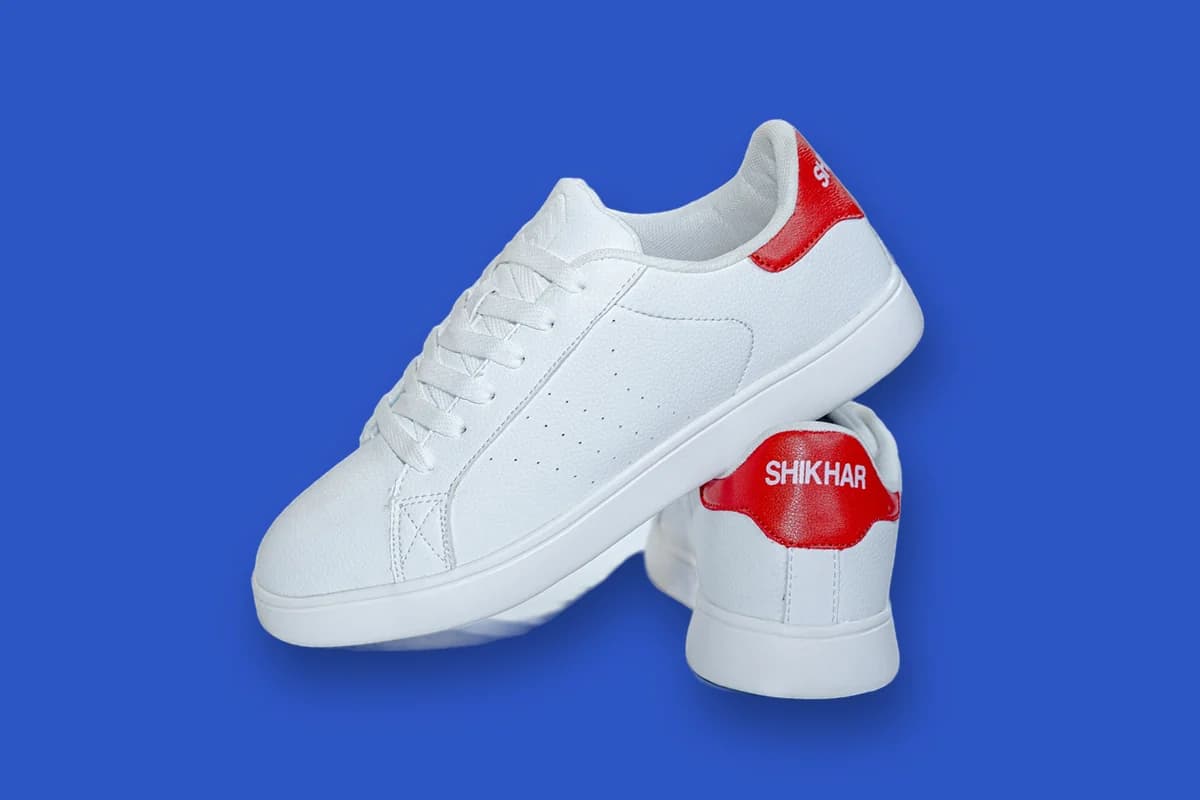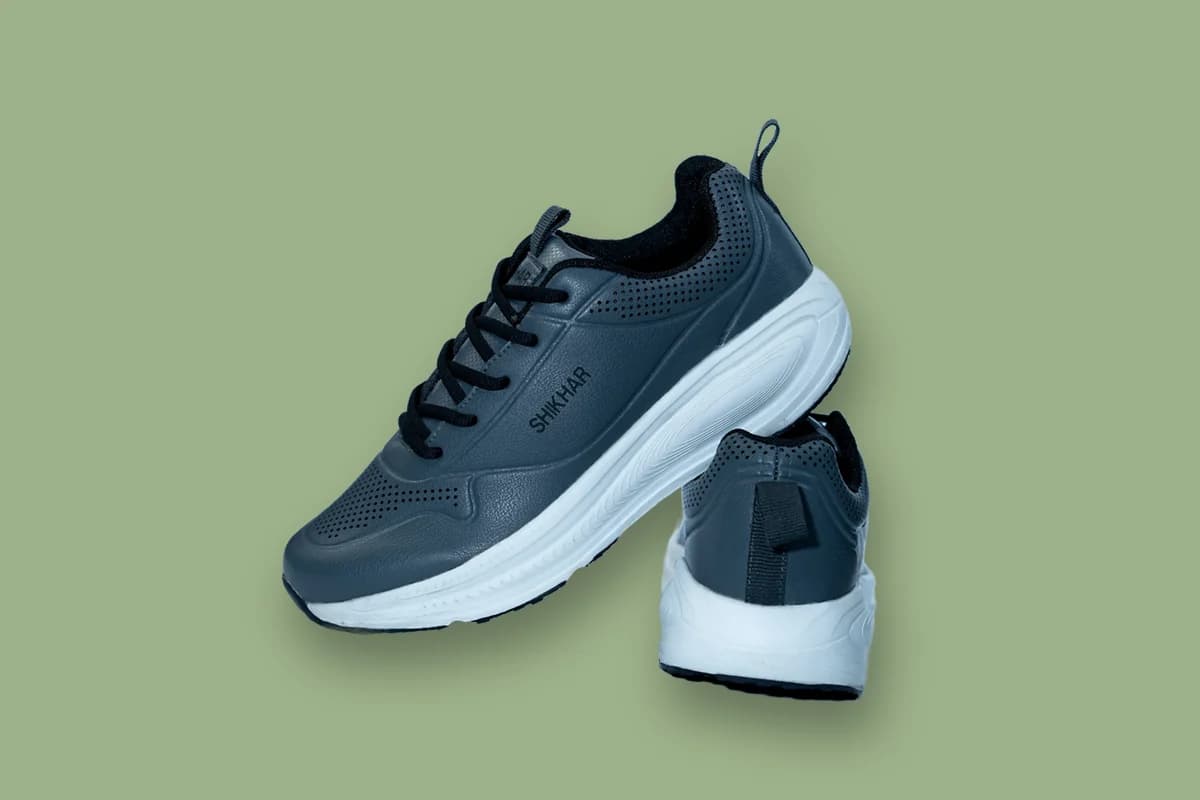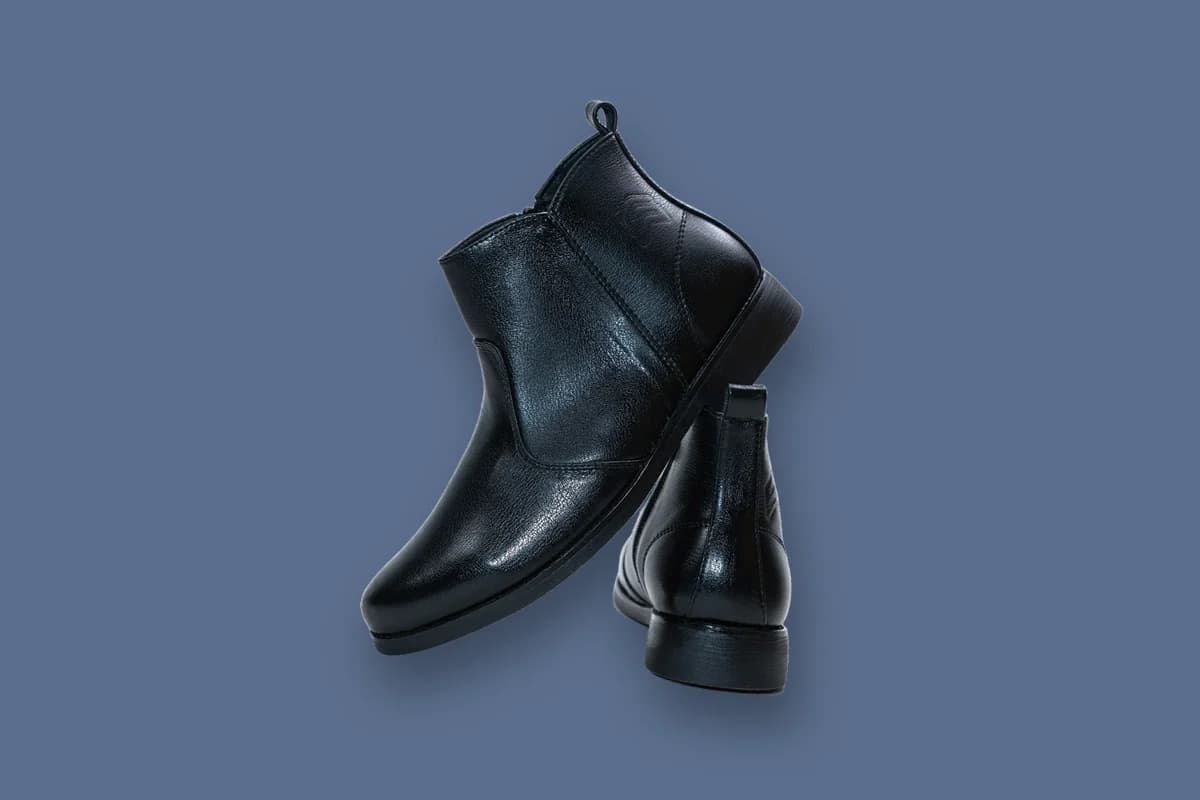
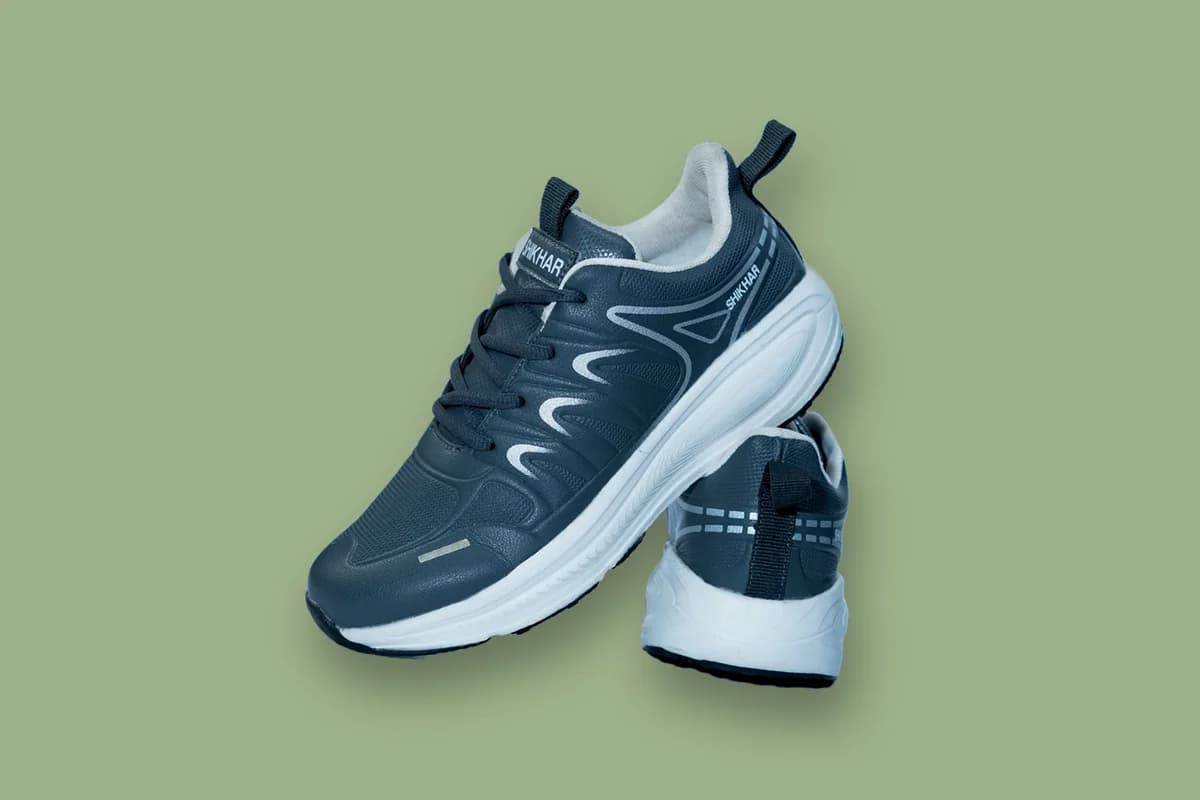
How long shoes last depends on how often you wear them, where you walk and how well you look after them. A pair worn every day on rough roads may need replacing within a year, while a pair kept for occasions can last several years. Replace them when soles are smooth, cushioning is flat or they hurt.
In Nepal, shoes face broken roads, dust, monsoon mud and long walking days, so they often wear faster than in cities with smooth pavements. At Shikhar Shoes, a Nepali maker producing shoes in our own factories, we want every pair to give you good service. Here is how to tell when yours are still fine and when it is time for new ones.
How Long Do Different Types of Shoes Usually Last?
There is no fixed expiry date, but these rough ranges are a useful guide. Your shoes may last longer or shorter depending on use.
| Shoe type | Typical life with regular wear | What usually wears first |
|---|---|---|
| Running and sports shoes | Around 500–800 km of running, or about a year of frequent use | Midsole cushioning |
| Everyday casual sneakers | About 1 year of daily wear | Outsole tread and heel |
| Formal leather or PU shoes | 1–3 years, longer with rotation and polish | Heel edge and upper creases |
| Hiking shoes | A few seasons of regular hiking | Lugs on the outsole |
| School shoes | About one school year | Toes and soles, and growing feet |
For children, size is often the deciding factor. Check their fit every few months using our size guide.
What Are the Signs That I Need New Shoes?
Look at your shoes, and listen to your feet. These are the clearest warning signs:
- Smooth or uneven soles: the tread pattern has worn away, especially at the heel or under the ball of the foot, and grip is poor on wet surfaces.
- Flat cushioning: the midsole has deep creases or feels hard, and you feel every stone on the road.
- Tilting heels: placed on a flat table, the shoes lean to one side.
- Holes or splits: the upper has torn, or the sole is separating from the upper.
- New aches: your feet, knees or back feel sore after walks that used to be easy.
- Lasting smell or mould: odour or mould that comes back even after cleaning and drying.
How Do I Check If My Shoes Are Worn Out?
- Do the table test. Place both shoes on a flat surface at eye level and look for tilting.
- Check the tread. Compare the most worn area of the sole with a less used area. If the pattern has disappeared, grip is reduced.
- Press the midsole. Push your thumb into the cushioning. If it feels hard or has deep wrinkles, the support has gone.
- Twist the shoe. A shoe that folds or twists far more easily than when new has lost structure.
- Check the inside. Look for worn heel linings, exposed stitching or flattened insoles.
Is It OK to Keep Wearing Old Shoes?
For a short walk to the shop, probably yes. For daily commutes, sport or hiking, worn-out shoes give less grip and less support, which can make slips more likely and leave you uncomfortable. If you have ongoing foot, knee or back pain, see a doctor rather than relying on new shoes alone.
Old pairs can still be useful for gardening, painting or washing the bike, as long as they are not your main walking shoes.
How Can I Make My Shoes Last Longer?
Care makes a big difference to lifespan. These simple habits help:
- Rotate two pairs so each has a day to dry and recover its shape.
- Loosen laces before taking shoes off, instead of stepping on the heel.
- Clean them regularly, especially after mud and dust.
- Dry wet shoes slowly, away from heaters and strong sun.
- Use the right shoe for the job: hiking shoes for trails, sports shoes for sport, and formal shoes for the office.
- Polish leather and store shoes with paper or shoe trees inside.
Our guides on leather and PU shoe care and monsoon shoe care explain these steps in more detail.
Key Takeaways
- Shoe life depends on use, terrain and care, not just the calendar.
- Daily-wear sneakers often last about a year; occasional formal shoes can last several years.
- Replace shoes when soles are smooth, cushioning is flat or heels tilt.
- New aches after normal walks are a sign to check your shoes.
- Rotating pairs, cleaning and slow drying all add months to a shoe's life.
Frequently Asked Questions
How often should I replace my running shoes?
Many runners replace them after roughly 500 to 800 km, or when the cushioning feels flat. Check the midsole and tread regularly rather than relying on distance alone.
Do shoes wear out if I do not wear them?
Yes, slowly. Glue, foam and rubber can age over the years, especially in damp or hot storage, so wear stored pairs occasionally and keep them in a cool, dry place.
Can worn-out shoes cause foot pain?
Shoes with flattened cushioning or uneven soles can make walking less comfortable. If pain continues after changing shoes, see a doctor.
Is it worth repairing old shoes?
A good cobbler can often replace heels, fix stitching or reglue a loose sole, which is worthwhile for leather shoes with sound uppers. If the cushioning has gone or the upper is cracked, a new pair is usually better.
Should I buy a new pair before the old one wears out?
Yes, it helps. Breaking in a new pair while the old one still works lets you rotate them and avoids wearing stiff new shoes all day.
Time for a fresh pair? Browse the full Shikhar Shoes collection, from sports shoes to formal and hiking styles, or visit one of our stores to try them on.