To look after shoes in Nepal's monsoon, dry them properly every time they get wet: remove the insoles, stuff them with newspaper, change the paper every few hours and let them dry in an airy place away from direct heat. Rinse off mud before it hardens, store shoes somewhere dry and ventilated, and check stored pairs often for mould.
From roughly June to September, Nepal's monsoon turns roads into puddles and trails into mud. Kathmandu's lanes flood after heavy showers, and shoes that never quite dry start to smell, crack or grow mould. At Shikhar Shoes, a Nepali shoe maker, we make shoes for these same streets, so here is how to keep your pairs going through the rains.
How Do I Dry Wet Shoes Quickly and Safely?
- Take out the insoles and laces so air can reach every part of the shoe.
- Wipe off mud and water from the outside with a cloth.
- Stuff with newspaper or plain paper, pressed loosely into the toe and heel.
- Change the paper every two to three hours while it is still soaking up water.
- Leave them in an airy spot, near a fan or an open window, not next to a heater or stove.
- Dry the insoles separately and only put them back when both are fully dry.
Most shoes take a day or more to dry in humid monsoon air. That is why a second pair helps so much.
Is It OK to Dry Shoes With a Heater or Hair Dryer?
It is better not to. Strong direct heat can melt or weaken the glue between upper and sole, shrink and crack leather, and make PU synthetic leather peel. A hair dryer on a cool setting, held at a distance, is safer if you are in a hurry, but slow drying with paper and moving air is gentlest.
How Do I Clean Mud Off My Shoes?
Deal with mud the same day if you can. Once it dries, it is harder to remove and can stain light materials.
- Knock off thick mud outside and let the rest dry a little if it is very wet.
- Brush the soles and the gaps between the lugs with an old stiff brush.
- Clean the upper with a soft brush or cloth and mild soapy water.
- Wipe away the soap with a clean damp cloth, then dry as above.
For white pairs, our step-by-step guide on how to clean white sneakers at home has more detail.
Which Shoes Are Best for the Monsoon in Nepal?
No single shoe is perfect for every rainy day, but some handle the wet much better than others.
| Shoe type | Monsoon performance | Tip |
|---|---|---|
| Hiking shoes | Good grip on wet roads and trails, sturdy uppers | Ideal for muddy commutes and rainy-day walks |
| Sports sneakers (mesh) | Light and quick to dry, but let water in | Keep a spare pair of socks handy |
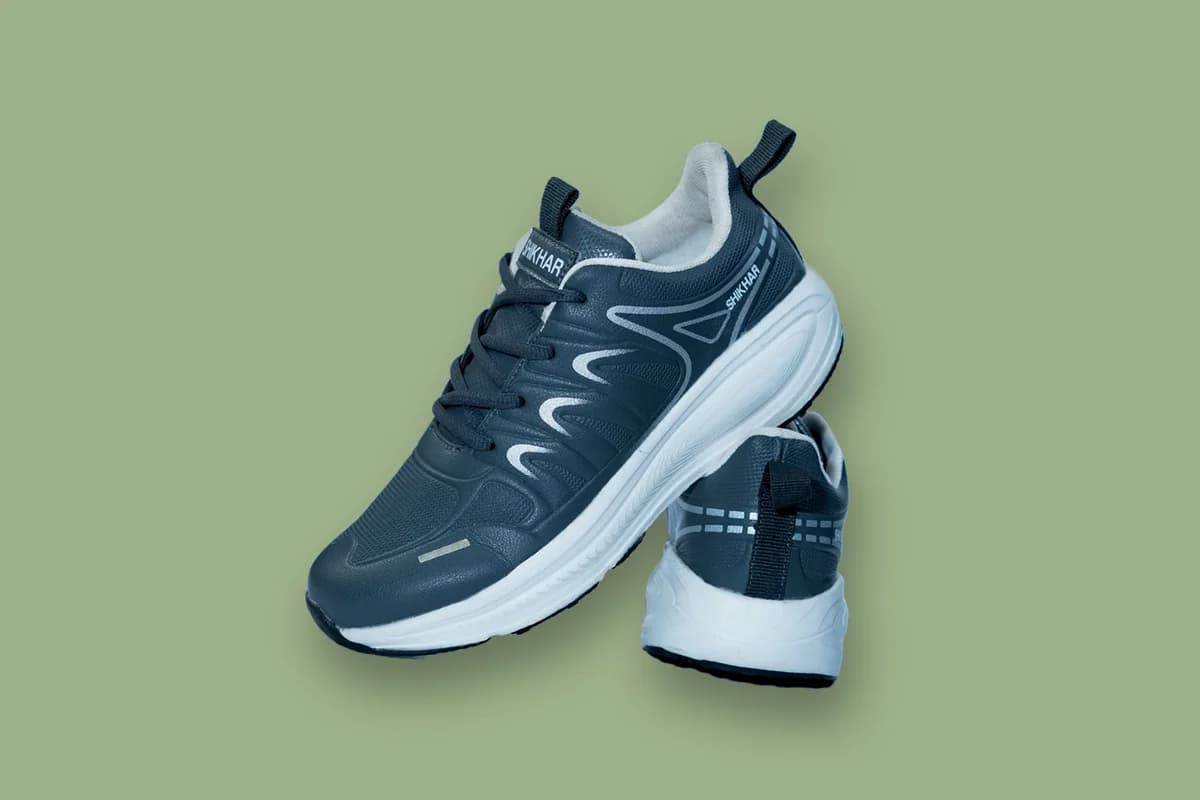
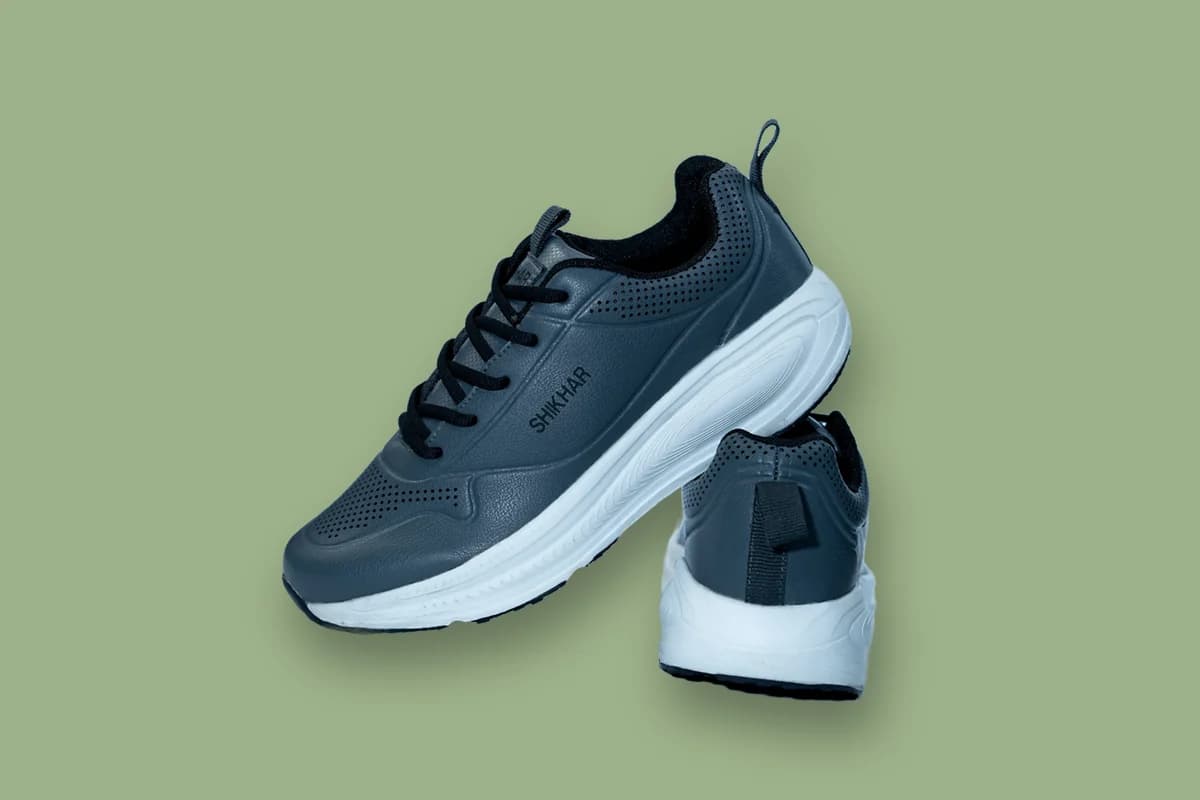
| PU casual and formal shoes | Shrug off light rain and wipe clean easily | Wipe dry after each wear and avoid heat |
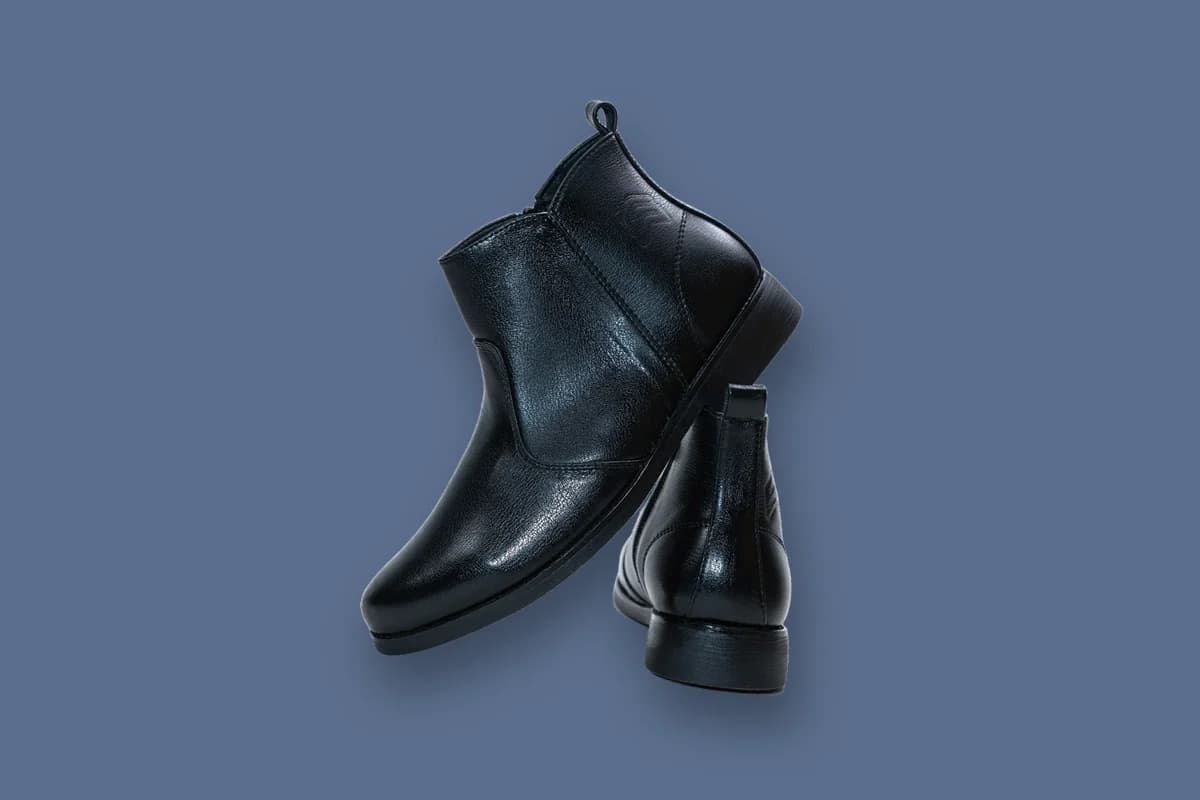
| Genuine leather shoes | Need extra care; soaking can stain and stiffen | Polish well before the season starts |
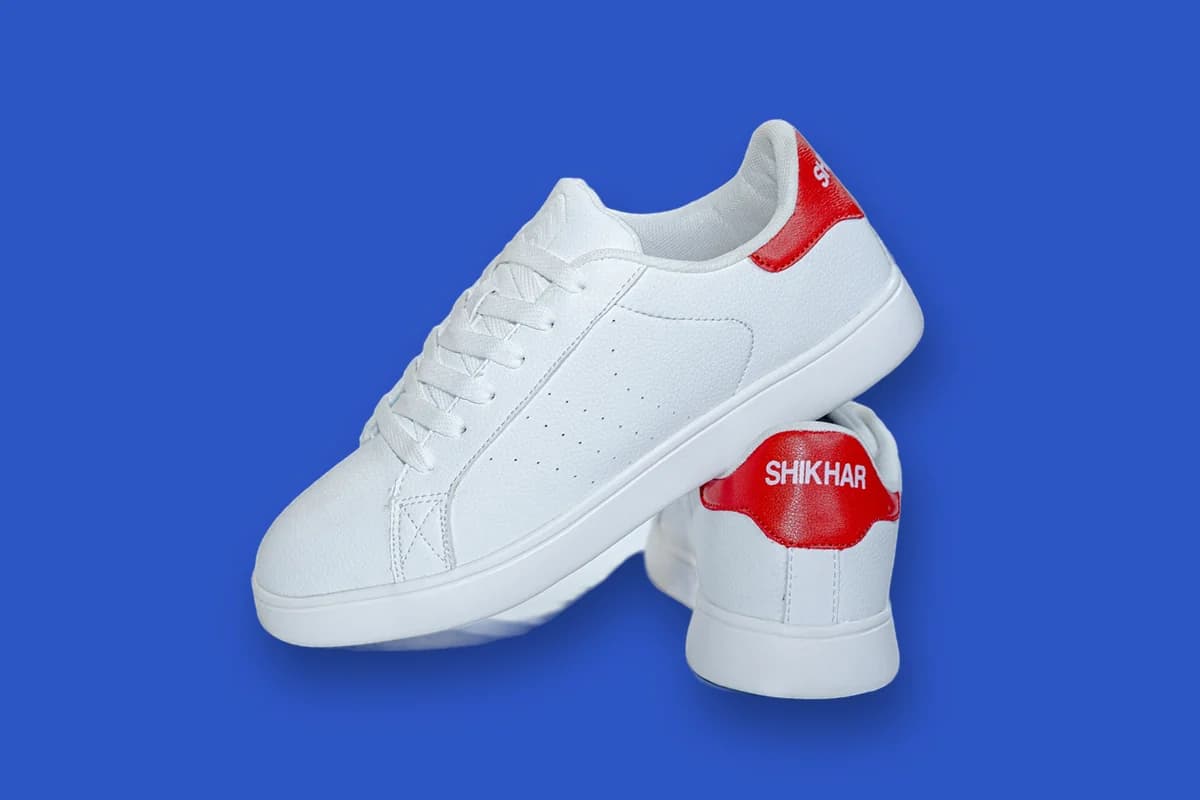
| White canvas sneakers | Show mud and stains easily | Save them for dry days |
Grip matters as much as water resistance. Wet marble steps, tiled floors and stone trails become slippery, so choose soles with a clear tread pattern.
How Do I Stop Mould Growing on Shoes?
Mould loves dark, damp and still air, which describes many shoe cupboards in July. To prevent it:
- Never put shoes away while they are still damp.
- Store shoes on open racks or with cupboard doors open for a few hours each day.
- Avoid sealed plastic bags; use cloth bags or boxes with some airflow.
- Wipe and air pairs you are not wearing every week or two.
- A small sachet of silica gel or a cloth bag of dry rice in the cupboard can help absorb moisture.
How Do I Remove Mould From Shoes?
- Take the shoes outside so spores do not spread indoors.
- Brush off the mould gently with a soft brush.
- Wipe with a cloth dampened in mild soapy water, or a solution of equal parts white vinegar and water for stubborn spots. Test on a hidden area first.
- Wipe again with a clean damp cloth and dry fully in a shaded, airy place.
- Polish or condition leather once dry, as cleaning can dry it out.
If mould keeps coming back or has soaked deep into the lining, the shoe may need replacing. If mould in your home causes coughing or breathing problems, see a doctor.
Key Takeaways
- Dry wet shoes with newspaper and airflow, changing the paper every few hours.
- Avoid heaters, stoves and strong sun, which damage glue, leather and PU.
- Clean mud the same day, before it hardens.
- Store shoes dry and ventilated, never in sealed plastic.
- Choose grippy, easy-to-clean shoes for rainy days and keep a second pair to rotate.
Frequently Asked Questions
How long do wet shoes take to dry?
Usually a day or more in humid monsoon weather, depending on the material and how wet they are. Changing the paper stuffing often and using a fan speeds things up.
Can I wear damp shoes?
It is best not to. Damp shoes cause odour, can rub your skin and wear out faster, so switch to a dry pair if you can.
What is the white powder on my stored shoes?
White or green fuzzy spots are usually mould from damp storage. Clean it off outside, dry the shoes well and store them somewhere with better airflow.
Should I wear hiking shoes in the monsoon?
Many people in Nepal do, because hiking shoes give better grip on wet roads and trails. Pick a pair with a deep tread and dry them properly after each wet day.
How do I stop wet shoes from smelling?
Dry them fully before wearing again, wash the insoles and use baking soda overnight. Our guide on how to stop shoes from smelling covers this in detail.
Getting ready for the next rainy season? Browse grippy hiking shoes and easy-care casual shoes, or visit a Shikhar Shoes store to find a pair that suits your daily route.