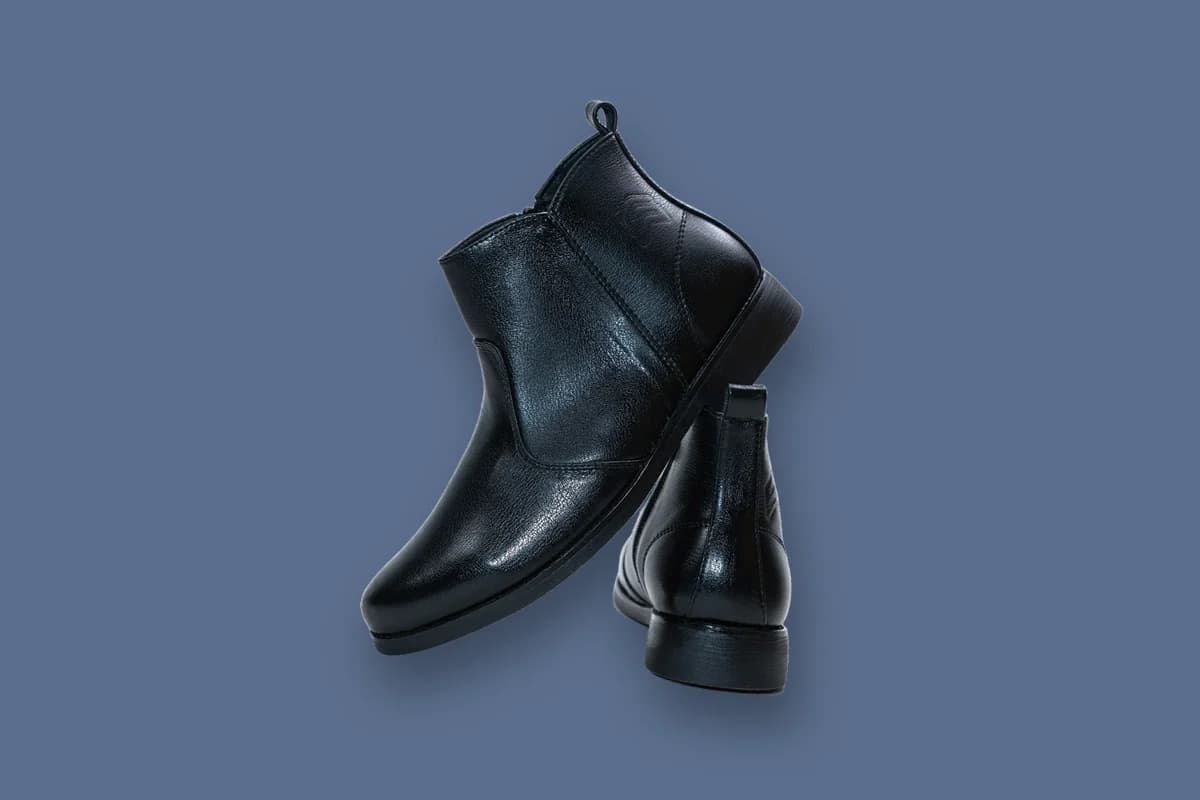
To care for leather and PU shoes, brush off dust after wearing, wipe them with a damp cloth, and let them dry naturally. Polish genuine leather every few weeks with cream or wax polish and condition it occasionally. PU needs only gentle wiping and a little neutral cream. Store both with shoe trees or paper, away from sun and damp.
Formal shoes in Nepal work hard: daily office commutes on dusty roads, long days at weddings, and Dashain and Tihar visits to family. Good care keeps them looking smart for years. Shikhar Shoes has made shoes in Nepal since 1995 and opened its own polyurethane (PU) synthetic leather plant in 2014, so we know both materials well.
What Is the Difference Between Leather and PU Shoes?
Genuine leather is made from animal hide. It breathes, softens and moulds to your feet over time, but it needs regular feeding with polish or conditioner to stop it drying out. PU, or polyurethane synthetic leather, is a man-made material with a leather-like finish. It is lighter on the wallet, easy to wipe clean and handles light rain well, but it does not absorb polish the way leather does.
| Care task | Genuine leather | PU synthetic leather |
|---|---|---|
| Daily cleaning | Soft brush, then dry cloth | Damp cloth wipe |
| Deeper cleaning | Damp cloth with mild soap, wipe off well | Damp cloth with mild soap, wipe off well |
| Polish | Cream or wax polish every 2–4 weeks | Neutral cream or a PU-safe shine product, sparingly |
| Conditioning | Leather conditioner every month or two | Not needed |
| Main risk | Drying out and cracking | Peeling from heat, solvents or folding |
How Do I Clean Leather and PU Shoes?
- Remove the laces if the shoes are lace-ups, so you can clean the tongue and eyelets.
- Brush off dust with a soft brush, paying attention to the welt where the upper meets the sole.
- Wipe the upper with a cloth dampened in water with a drop of mild soap.
- Wipe again with a clean damp cloth to remove any soap.
- Let them dry at room temperature for a few hours before polishing.
Never soak leather or PU shoes or put them in a washing machine. Too much water can stain leather and weaken the glue that holds the sole.
How Do I Polish Leather Shoes Properly?
Polish feeds the leather, covers small scuffs and adds a protective layer. Cream polish gives colour and nourishment, while wax polish adds shine and some water resistance.
- Choose a polish that matches the shoe colour, or a neutral one if unsure.
- Apply a small amount with a cloth in small circles, covering the whole upper.
- Leave it for about ten minutes to soak in.
- Buff with a horsehair or soft brush using quick side-to-side strokes.
- Finish with a clean soft cloth for extra shine.
For brown shoes such as the SH03 Brown, test any new polish on a small hidden area first, because brown shades vary.
Can I Polish PU Shoes?
Yes, but lightly. PU has a sealed surface, so heavy wax simply sits on top and can look cloudy or sticky. A thin layer of neutral cream polish or a product made for synthetic leather, buffed off well, is enough to restore shine. Avoid nail polish remover, spirit-based cleaners and other solvents, because they can damage the finish.
How Should I Store Leather and PU Shoes?
Most damage happens while shoes sit unused, especially through damp in the monsoon and dry air in winter. Store them like this:
- Keep the shape: use shoe trees or stuff the toes with paper.
- Let them breathe: cloth bags or open shoe racks are better than sealed plastic.
- Avoid heat and sun: keep shoes away from heaters, stoves and sunny windows, which dry leather and can make PU peel.
- Do not stack: heavy shoes on top can crease and crack the upper.
- Check them in the monsoon: look for white or green mould spots every week or two.
What Mistakes Damage Leather and PU Shoes?
A few common habits shorten the life of formal shoes:
- Drying wet shoes next to a heater or in strong sun.
- Wearing the same pair every day without a rest.
- Pulling shoes on and off without loosening the laces, which breaks down the heel.
- Using household cleaners or solvents on the upper.
- Folding or crushing PU shoes in a packed bag.
If your shoes do get wet, see our guide to monsoon shoe care in Nepal for safe drying tips.
Key Takeaways
- Brush and wipe formal shoes after wearing; it takes a minute and prevents build-up.
- Polish genuine leather every few weeks and condition it occasionally.
- PU needs only gentle wiping and a light neutral cream, never solvents.
- Keep both materials away from direct heat and strong sun.
- Store with shoe trees or paper in a dry, airy place.
Frequently Asked Questions
How can I tell if my shoes are leather or PU?
Check the label, box or product description first. Genuine leather usually has an irregular grain and a natural smell, while PU looks more uniform and feels smoother.
How often should I polish leather shoes?
Every two to four weeks for shoes worn regularly, and before important occasions like weddings. A quick brush between polishes keeps them looking good.
Why is my PU shoe peeling?
Peeling is usually caused by heat, strong sun, solvents or repeated sharp folding over time. Storing PU shoes in a cool, dry place and wiping them gently helps the finish last longer.
Can I wear leather shoes in the rain?
Light rain is fine if the shoes are well polished, but avoid soaking them. If they get wet, wipe them, stuff them with paper and dry them slowly at room temperature, then polish once dry.
Do I need shoe trees?
They are not essential, but they help shoes keep their shape and absorb moisture. Rolled-up paper is a simple alternative.
Need a smart pair for the office or the next wedding? Explore our Formal collection or find a Shikhar Shoes store near you.
Not sure which material suits you? Read PU leather vs genuine leather shoes.