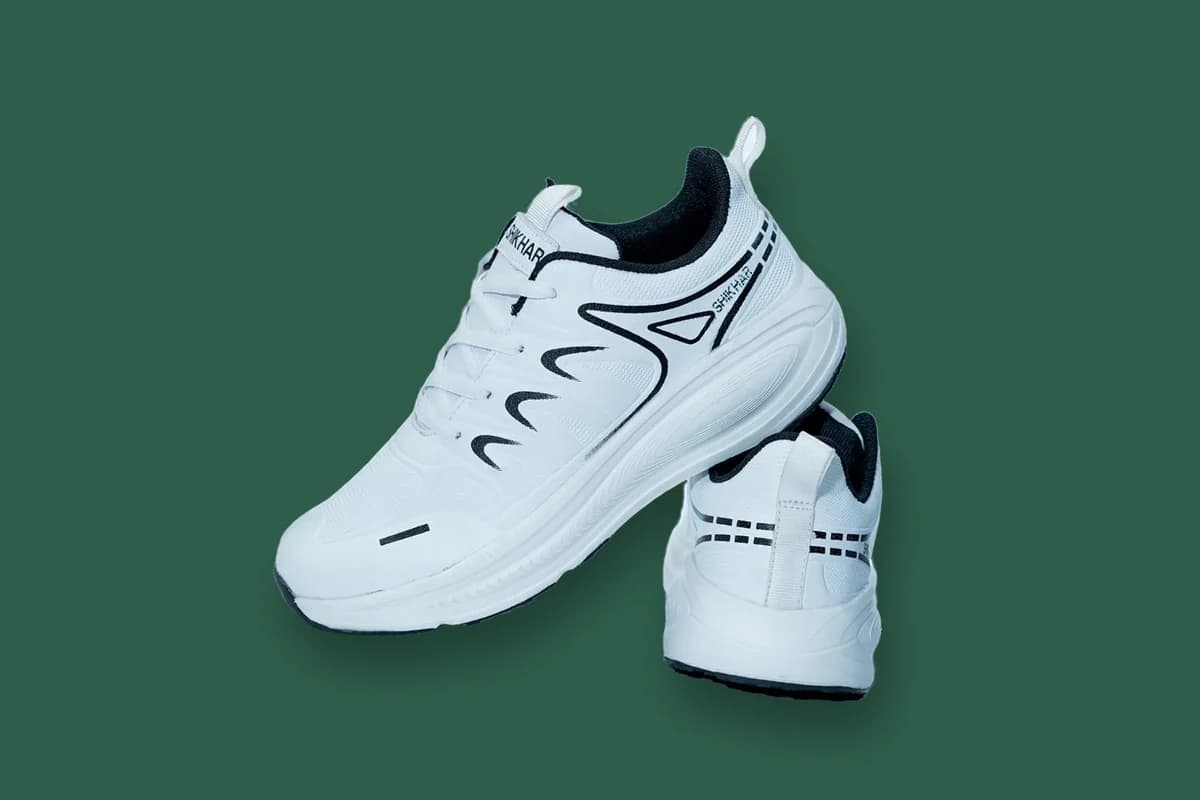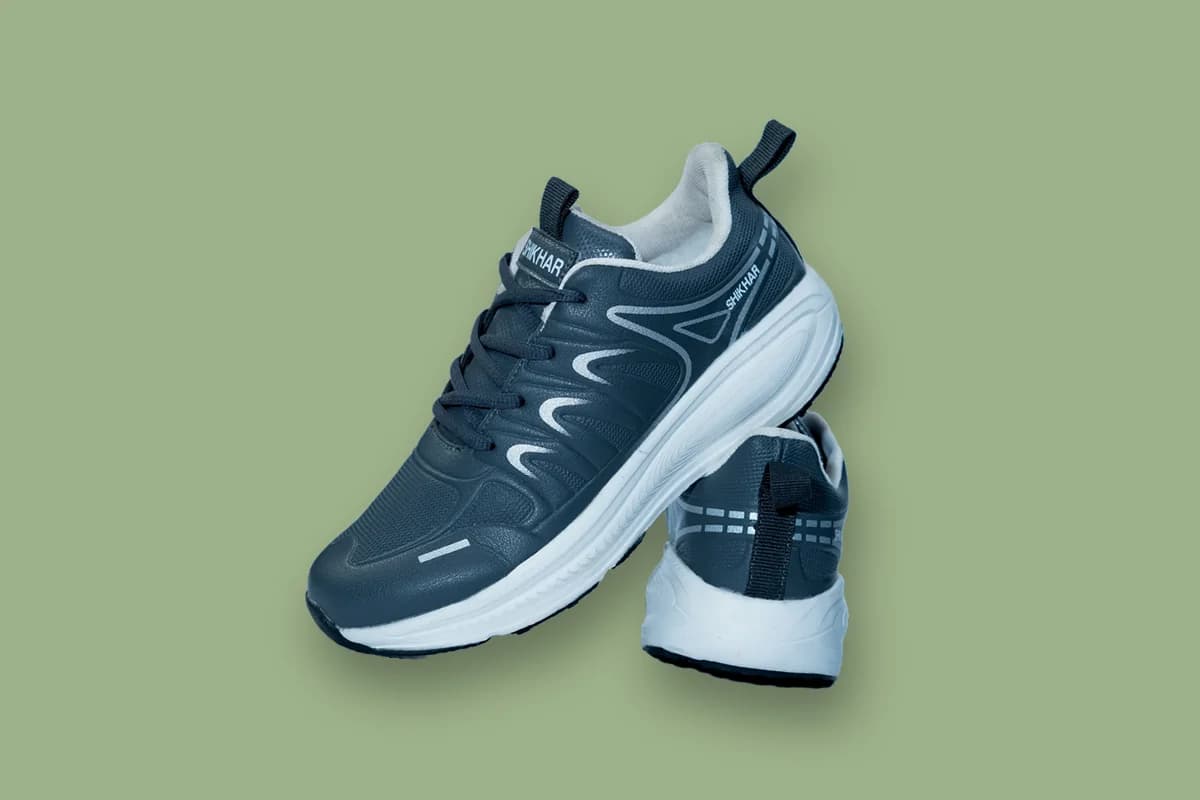
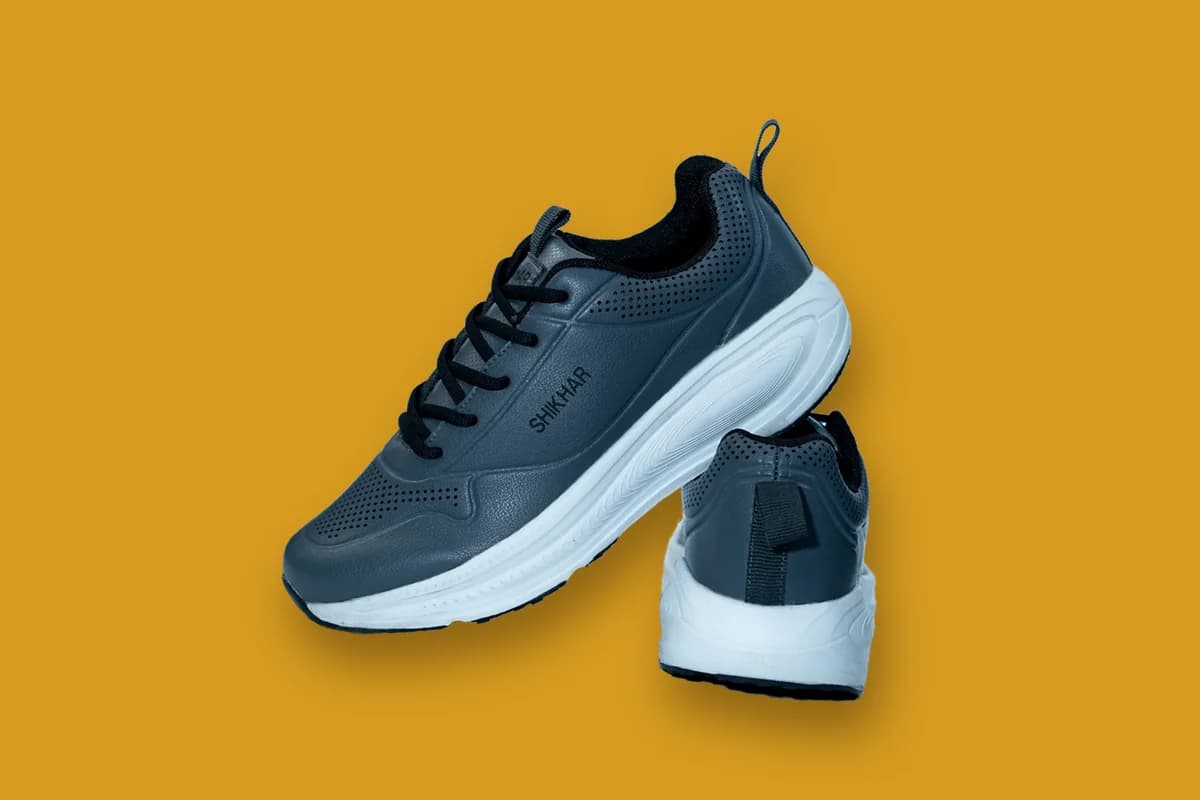
The best way to lace shoes for a better fit is to match the lacing to the problem: a heel lock stops heel slip, skipping an eyelet pair gives wide feet more room, and a looser lace over the instep helps high arches. Small changes take under a minute and need no new shoes.
In Nepal we walk a lot: steep stairs in Kathmandu, dusty roads, and trails like Shivapuri or Champadevi. A shoe that slips or pinches turns into blisters fast. Shikhar Shoes, a Nepali shoe maker, designs lace-up shoes with several eyelets so you can adjust the fit yourself.
Why does the way I lace my shoes matter?
Laces are not only for keeping the shoe on. They decide how tightly the upper holds your midfoot and how much your heel and toes can move inside the shoe.
Too loose, and your foot slides forward on downhill walks, hitting your toes. Too tight, and the laces press on the top of your foot and can feel uncomfortable. Good lacing spreads the pressure evenly.
- Heel slipping up and down: use a heel lock.
- Toes feel squeezed from the sides: loosen the front or skip a pair of eyelets.
- Pressure on top of the foot: use a window lace.
- Toes hitting the front on slopes: use a runner's loop and tighten the ankle area.
How do I lace shoes with a heel lock?
A heel lock, also called a runner's loop, holds your heel firmly at the back of the shoe. It is useful for hiking shoes, sports shoes and any pair where the heel lifts when you walk.
- Lace the shoe normally up to the second-last eyelet on each side.
- Do not cross the laces at the top. Instead, thread each lace straight up into the last eyelet on the same side, forming a small loop.
- Take the opposite lace end and pass it through the loop on the other side.
- Pull both ends back and down so the loops tighten around your ankle.
- Tie your usual bow.
Walk a few steps. Your heel should feel held, not pinched. If the top of the foot feels too tight, loosen the lower laces a little.
How should I lace shoes for wide feet?
Wide feet need more room across the ball of the foot. Lacing can add some, though it cannot make a very narrow shoe wide. For more on choosing styles, read our guide on shoes for wide feet.
- Skip a pair of eyelets near the toe: begin the laces at the second pair so the front of the shoe opens up.
- Use parallel lacing: run the laces straight across without crossing them, which lets the shoe spread.
- Loosen the forefoot and keep the ankle area snug so the heel stays put.
What is the best lacing for high arches?
A high arch makes the top of the foot taller, so the laces can press on the bony part. A window lace relieves that pressure.
- Lace normally until you reach the spot where pressure starts.
- Take each lace straight up to the next eyelet on its own side, without crossing.
- Cross the laces again above that gap and continue to the top.
This leaves an open window over the painful spot. If you have regular foot pain, please see a doctor or a foot specialist instead of relying on laces alone.
Which lacing style suits which problem?
| Problem | Lacing style | Best for |
|---|---|---|
| Heel slips | Heel lock (runner's loop) | Hiking and sports shoes |
| Wide forefoot | Skip eyelets or parallel lacing | Casual and sports shoes |
| High arch pressure | Window lace | Any lace-up shoe |
| Toes hit the front downhill | Heel lock with snug ankle | Trails and steps |
| Laces keep opening | Double knot or surgeon's knot | Daily wear |
Is it OK to tie my laces very tight?
No. Very tight laces can press on the top of your foot and make your toes feel numb. Aim for snug, like a firm handshake, not a squeeze.
Your feet swell a little during the day, especially in warm weather or after long walks. Try your laces in the afternoon and adjust them if the shoe feels tighter by evening. Our guide to breaking in new shoes has more tips.
How do I stop my laces from coming undone?
Use a double knot, or tie a surgeon's knot by wrapping the lace twice in the first twist before making the bow. Tuck the loose bow ends under the laces or into the tongue strap if your shoe has one.
Also check the laces themselves. Old, smooth laces slip more easily, and a new flat lace often grips better. If the shoe still feels wrong after lacing, the size may be the problem, so check our size guide and measure your feet.
Key Takeaways
- Match the lacing style to your problem: heel slip, wide forefoot or high arch.
- A heel lock holds the heel without over-tightening the whole shoe.
- Skipping eyelets or using parallel lacing gives wide feet more room.
- A window lace relieves pressure on the top of the foot.
- Snug is right; very tight is not. See a doctor for ongoing foot pain.
Frequently Asked Questions
How tight should shoelaces be?
Laces should hold your foot firmly without pressing or causing numbness. You should be able to slide one finger under the laces at the top.
Can lacing fix a shoe that is too big?
It can help a little, especially with a heel lock and an extra pair of insoles or thicker socks. A shoe that is far too big is better swapped for the right size.
Why does my heel slip when I walk?
The shoe may be slightly big, or the laces may be loose at the ankle. A heel lock usually helps.
Should I loosen laces when my feet swell?
Yes. After a long day or hot weather, loosen the laces slightly so the shoe does not squeeze your foot.
How often should I replace my laces?
Replace them when they fray, stretch or keep slipping open. Laces are cheap and easy to change.
Ready to find a pair that fits well? Browse our sports shoes and hiking shoes, or visit a Shikhar store near you to try them on.